


Budit Blog
News and columns, delivered through data
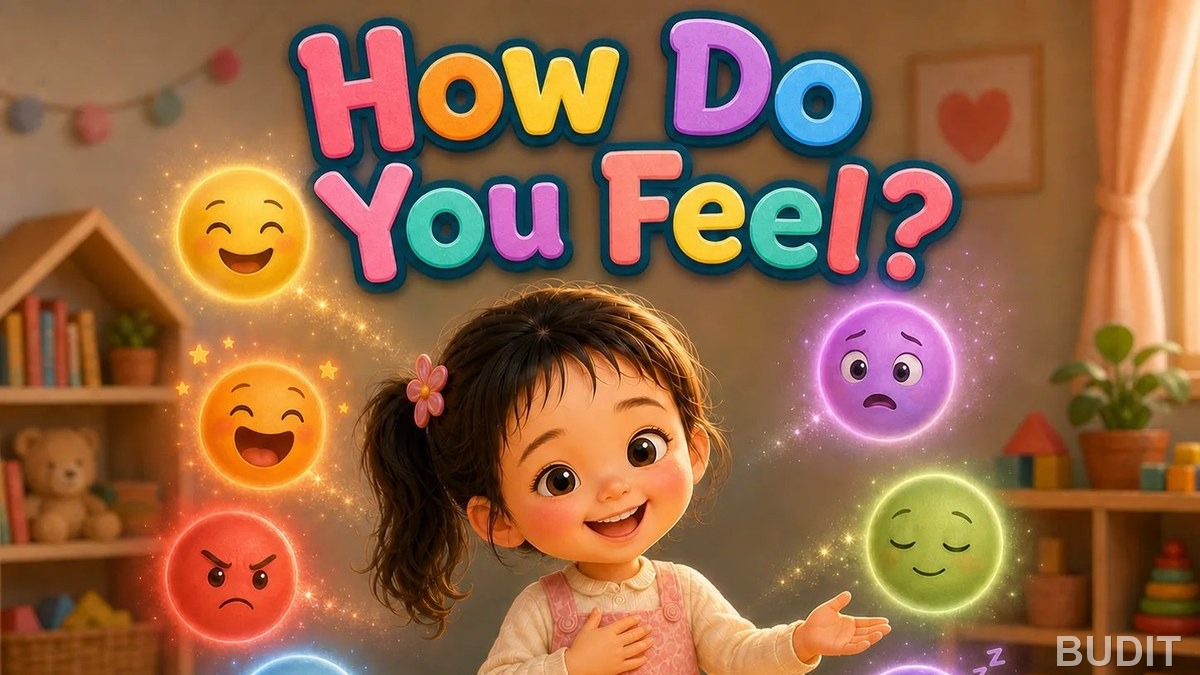
Emotion Coaching and Feeling Words 『A Feeling Gets Smaller Once It Has a Name』
Why 『you're upset』 works on a child in a tantrum when 『stop it』 does not, from the research. The five steps of emotion coaching, what happens in the brain when a feeling is named, the follow-up study in which children who heard more talk about feelings at home read others' minds better, and how to grow feeling words with picture books and emotion cards.
Reviewing with Word Cards and Games 『NoryBook Review Features and NoryCard Games』
After a NoryBook picture book is finished, its words carry on into word card sessions and twelve games. Which accounts they open for, the order of picking a session and a game, the NoryCard games anyone can play without logging in, and a review plan spaced over days.
Screen Time, Alone or Together 『The Same Screen Turns on Who Is Sitting Beside the Child』
How a child watches matters more than how many minutes. The pediatric guidelines, why toddlers learn less from video, the experiment where an adult asking questions changed the outcome, and the study where an electronic book cut conversation, with house rules for screens at home.

How to Choose Picture Books by Age 『From Faces to Letters』
What a newborn looks at, how a two year old understands pictures, and what a five year old takes from a book, drawn from the research. Which picture books to choose and which to skip from birth to seven, and how to read the same book to fit the age.
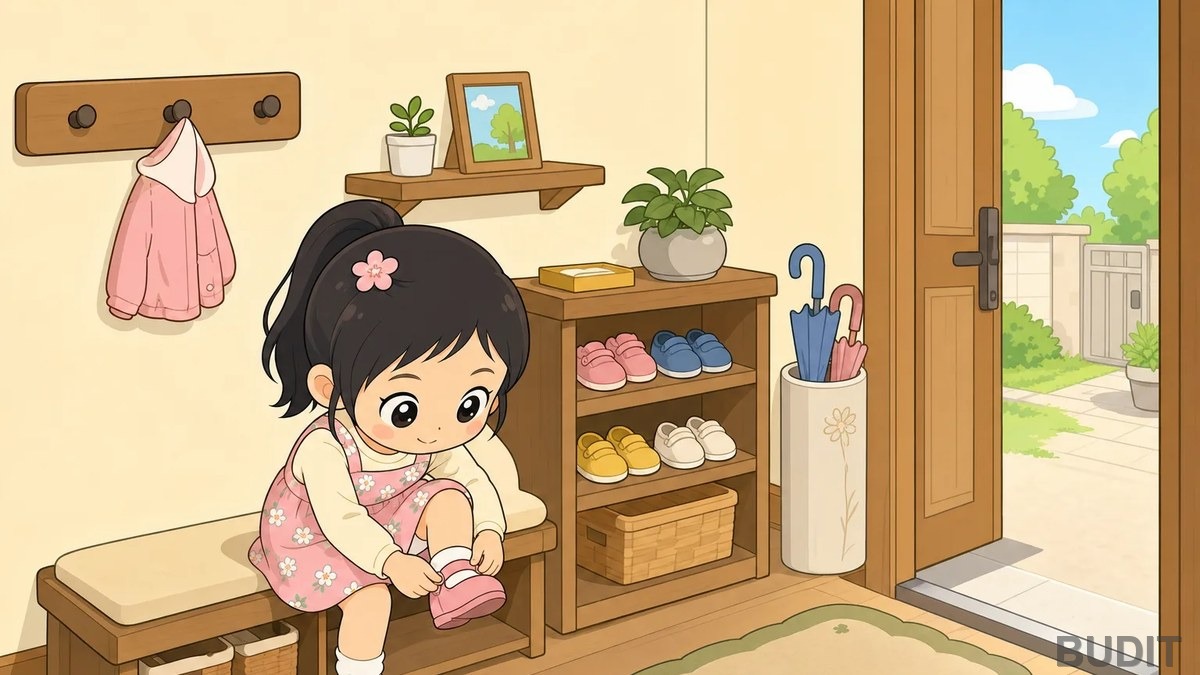
When a Child Refuses English 『Let Them Choose Instead of Pushing』
A child who shakes their head at English is common. The silent period in front of a new language, an experiment where pressure lowered interest, and studies where small choices and personalization raised motivation, put together into a way out. The core: let the child choose, leave nothing to get wrong, and keep it short.
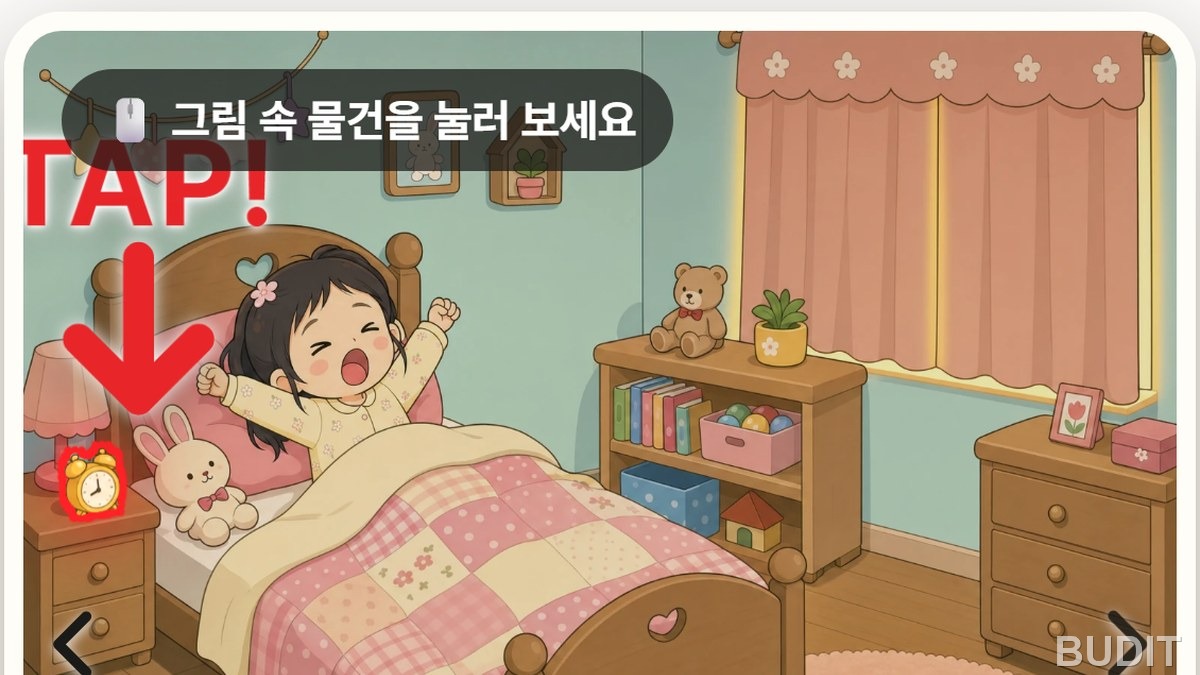
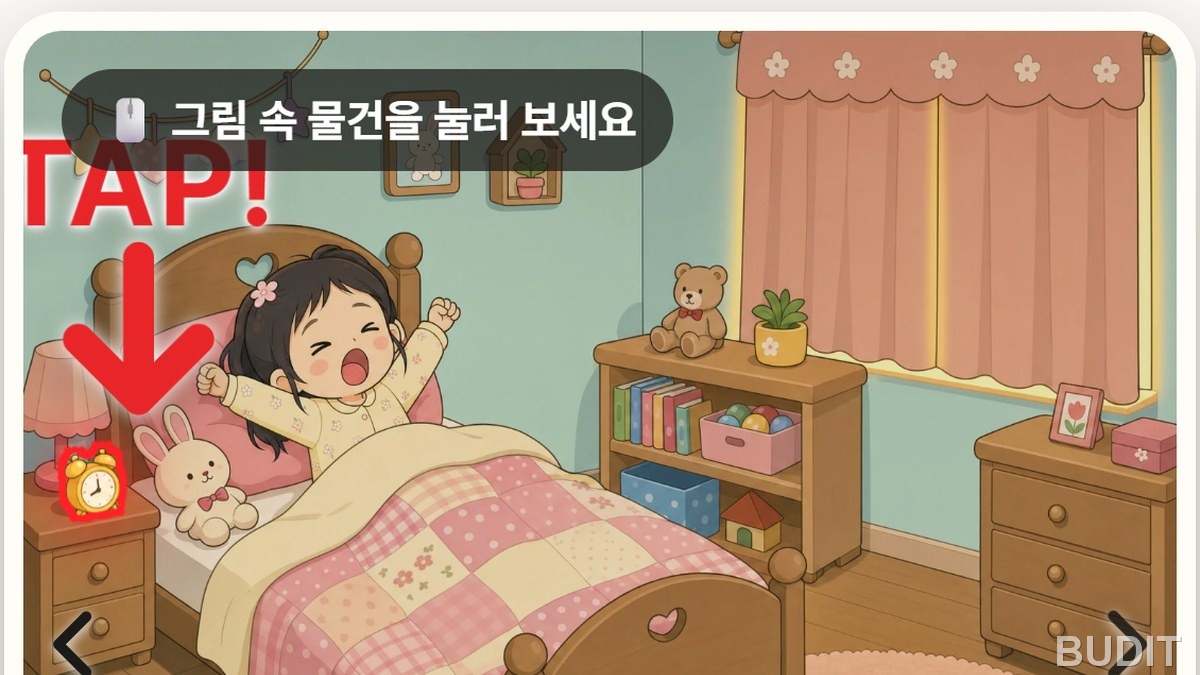
Tap the Picture, Collect the Word Cards 『Reading a NoryBook Picture Book』
While reading a NoryBook picture book, tap the bed, the blanket or the lamp in the picture and a word card appears with a photo, the English word, its meaning and the pronunciation. How to pick a reading voice, tap objects, and carry on to word cards and games after the last page, with screenshots.
Does a Parent Need Good English 『The Audio Does the Sounds, the Parent Does the Talking』
Does a parent's accent pass to the child? How much do native speaker sounds matter? What is the parent's real job? The research, summarized: leave pronunciation to the audio and the reading voice, and take the role of asking and responding.
Does Background English Work 『Playing It in the Background vs Listening Together』
Does playing English audio all day teach a child English? The infant foreign language experiment, the difference between speech addressed to a child and speech overheard, and the study where background television cut parent child talk. Plus how to use background listening well.
『That Book Again?』 Why Rereading the Same Book Works
There is a reason children pick the same book every night. Children who heard one book repeatedly learned more words than children who heard new books, and here is how to make the third reading different.

A Book Read in Mom's or Dad's Voice 『The NoryBook Voice Demo』
Record fifteen seconds and hear picture book sentences read in your own voice. How to use the NoryBook voice demo without logging in, how to record well, and how to use it at home.
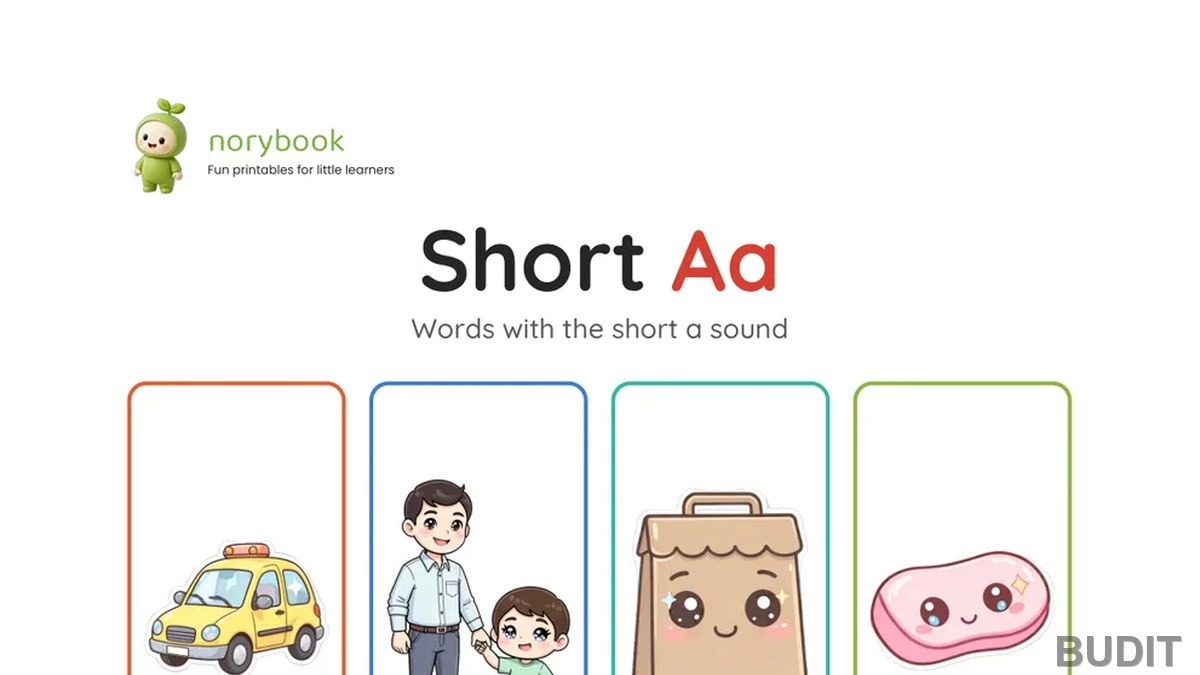
What Order for Phonics 『From Sounds to Words, Then Sight Words』
Teach phonics in alphabet order and words come late. Teach it in sound order and six letters are enough to make words. What research says about systematic phonics, and how to learn sight words without memorizing them whole.
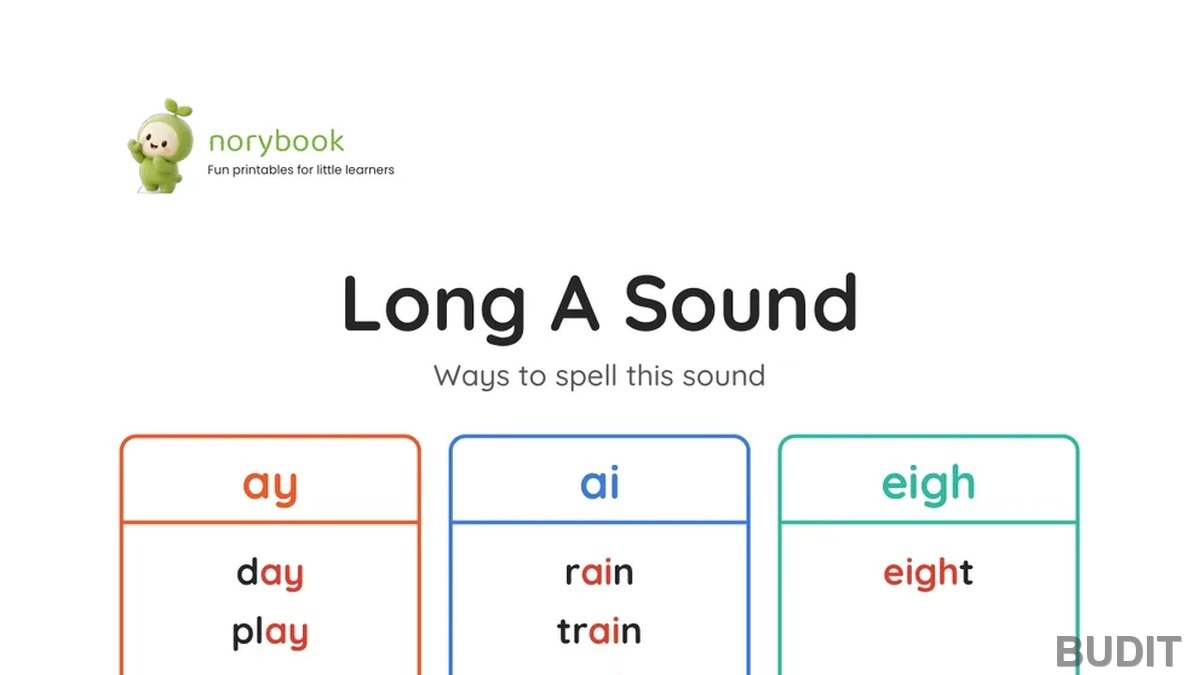
When Should Pronunciation Practice Start 『Phonological Awareness』
Before correcting pronunciation, there is a skill to build first. How phonological awareness, the ability to break speech into sounds and compare them, develops, and how it connects to reading.