


Budit Blog
News and columns, delivered through data

How One Story a Day Adds Up 『Short, Same Time, Every Day』
A child's study habit is built by repetition, not willpower. This post covers the study in which a new behavior took 66 days on average to become automatic, research on implementation intentions, where deciding 『when and where』 in advance raises follow through, and the research on distributed practice, where spreading study out beats cramming, and how to keep one short session a day going at home.
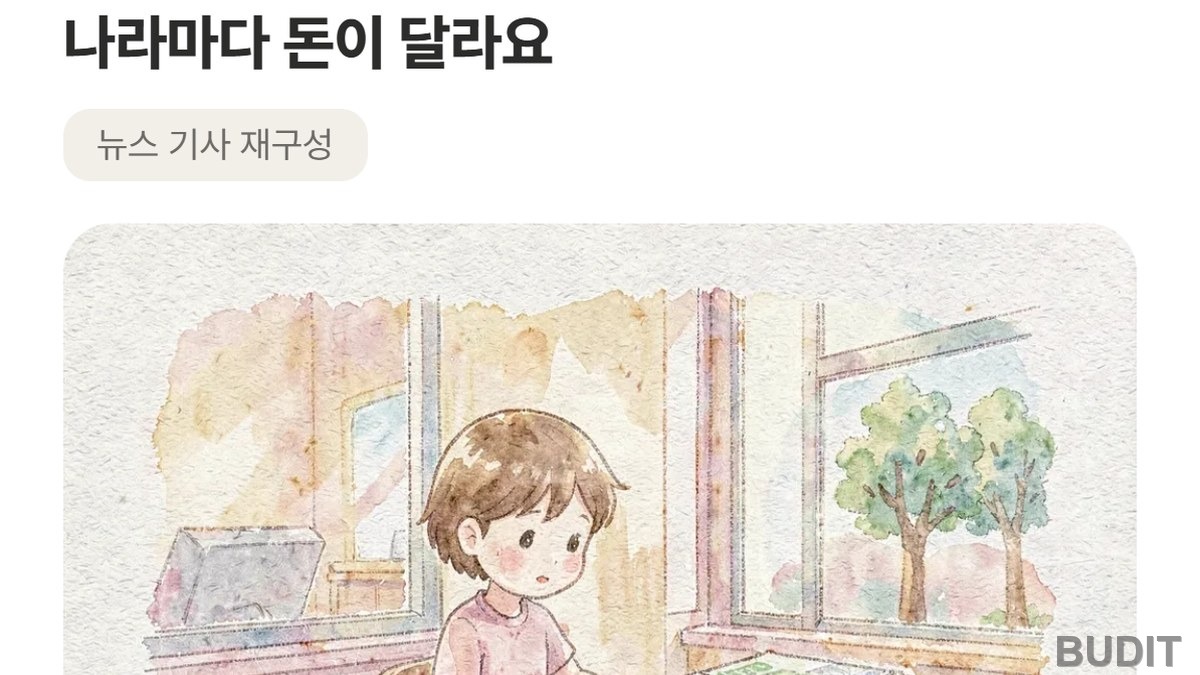
When to Start Talking About Money with Children 『Financial Literacy Takes Root Early』
Research showing that thinking and habits about money take root in childhood. A survey in which money talk with parents as a child led to better financial understanding as an adult, an analysis of 76 financial education experiments, research on self control and experience as the base of money habits, and how to start money conversations at home with economic ideas from the news.
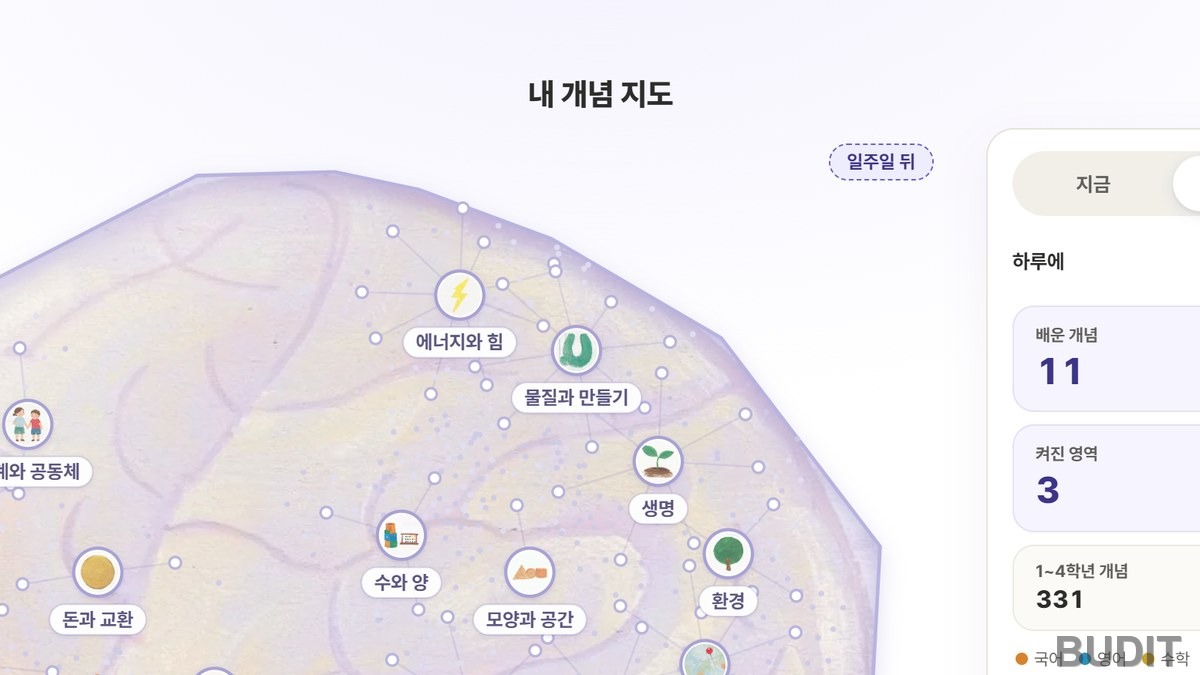
How to Read the Concept Map 『Stories Light Up on the Curriculum』
The NoryLogic concept map lights up, on a brain shaped map, the primary school curriculum concepts linked to the stories a child has finished. This guide shows how 19 pieces, 88 areas and 611 standards are laid out, how to read the six numbers and the 『Now』, 『In a week』 and 『In a year』 views, and how to look at the map together at home, with real screens.

A Two Sentence Thought Journal 『Writing Sorts Out Thinking』
Research showing that writing even briefly about what was read makes learning last. A meta analysis of school writing to learn programs, an analysis showing that writing about a text improves comprehension, studies in which writing grew learning in science, social studies and math, and how to keep a two sentence thought journal at home.

Where to Start Explaining Hard News 『One Basic Concept First』
When a child watches the news or a video and asks 『how does that work?』, one scene holds more than ten concepts. This post covers why explaining everything at once does not stick, why to start from what the child already knows, and how an adult can support one step at a time, then shows how to climb from 『push and you get pushed back』 up to the scene itself.
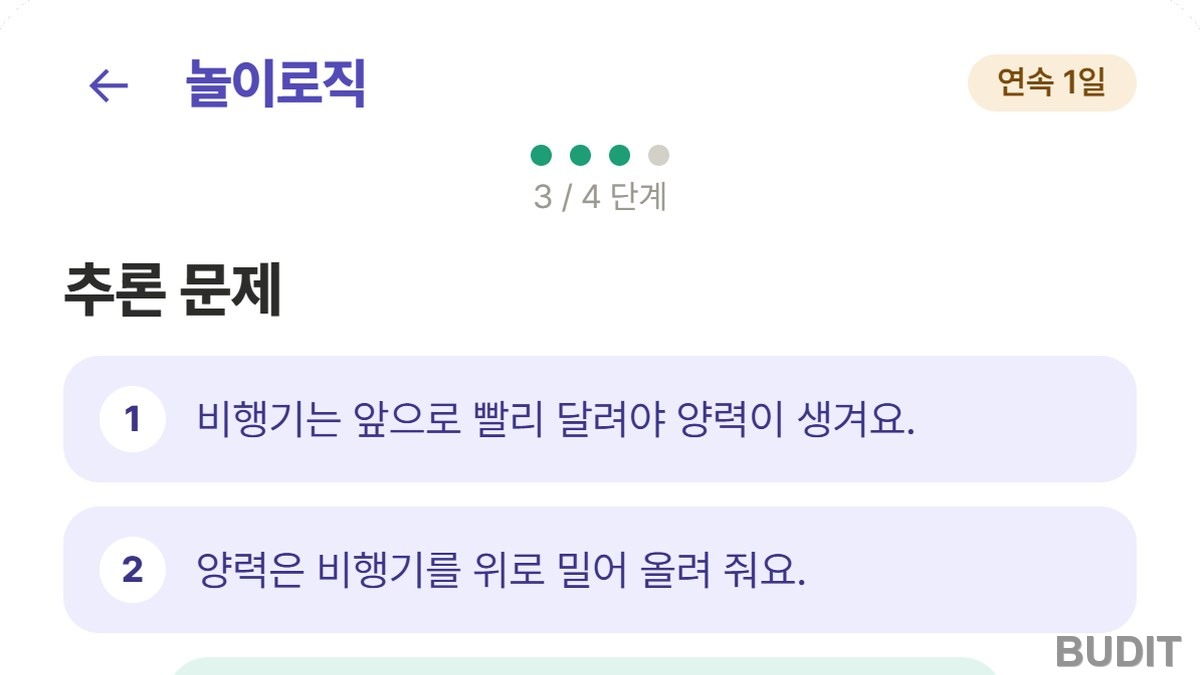
The Power of 『Why Do You Think So?』 『Explaining It Yourself Deepens Learning』
Research showing that children learn more deeply when asked to say why they think something, not only whether they got it right. Students who explained a text line by line understood it better, primary pupils who explained carried methods over to new problems, preschoolers who explained grasped how a toy worked rather than how it looked, and how to ask for reasons at home.

Background Knowledge Changes Reading Comprehension 『We Read What We Already Know』
Research showing that the gap between strong and weak readers lies not only in reading skill but also in background knowledge. The experiment in which children who knew baseball understood a baseball text better regardless of reading skill, a review of how background knowledge and comprehension relate, a first grade study that linked science and social studies reading, and how to widen background knowledge with news and school concepts.

Children Who Trust AI Answers As Is 『Automation Bias and the Habit of Thinking First』
Researchers call the habit of accepting a machine's answer without checking it automation bias. A survey in which more trust in AI meant less critical thinking, an experiment in which people who wrote with ChatGPT could barely quote their own essay, and a study in which younger people leaned on AI more, plus how to help a child ask first, give reasons and keep a record.

Getting Started with NoryLogic 『One Story a Day, Read and Think Three Times』
NoryLogic rewrites news and school concepts at a child's level and leads the child through four steps: reading, a comprehension quiz, a reasoning question and a thought journal. From the first settings to today's mission, the four screens of one session and the concept map, shown with real screens.
Praising the Process 『You Kept Trying Beats You're So Smart』
Which praise, instead of 『good job』 or 『so smart』, helps a child stay with something hard, from the research. The experiment in which children praised as smart chose easier problems, the difference one phrase like 『a good drawer』 makes, the study in which process praise heard as a toddler led to a love of challenge years later, and how to practice praise at home with picture books and sheets.

Growing Scientific Curiosity 『How to Answer a Child's Why』
How to answer a child who asks 『why?』 dozens of times a day so that curiosity keeps growing, from the research. The finding that most of a child's questions seek information, children who are satisfied only by explanations, the experiment in which showing the answer first cut exploration, and how to keep questions going at home with picture books and science sheets.

Number Sense in Everyday Life 『Counting What Is in Front of You Beats Drills』
Why a child who recites one to ten still hands over a fistful when asked for 『three』, and the difference between saying numbers and knowing them, from the research. The analysis in which number skills at school entry best predicted later achievement, the gap between homes in number talk, the effect of four sessions of a number board game, and how to do it at home with picture books and counting sheets.