


Budit Blog
News and columns, delivered through data
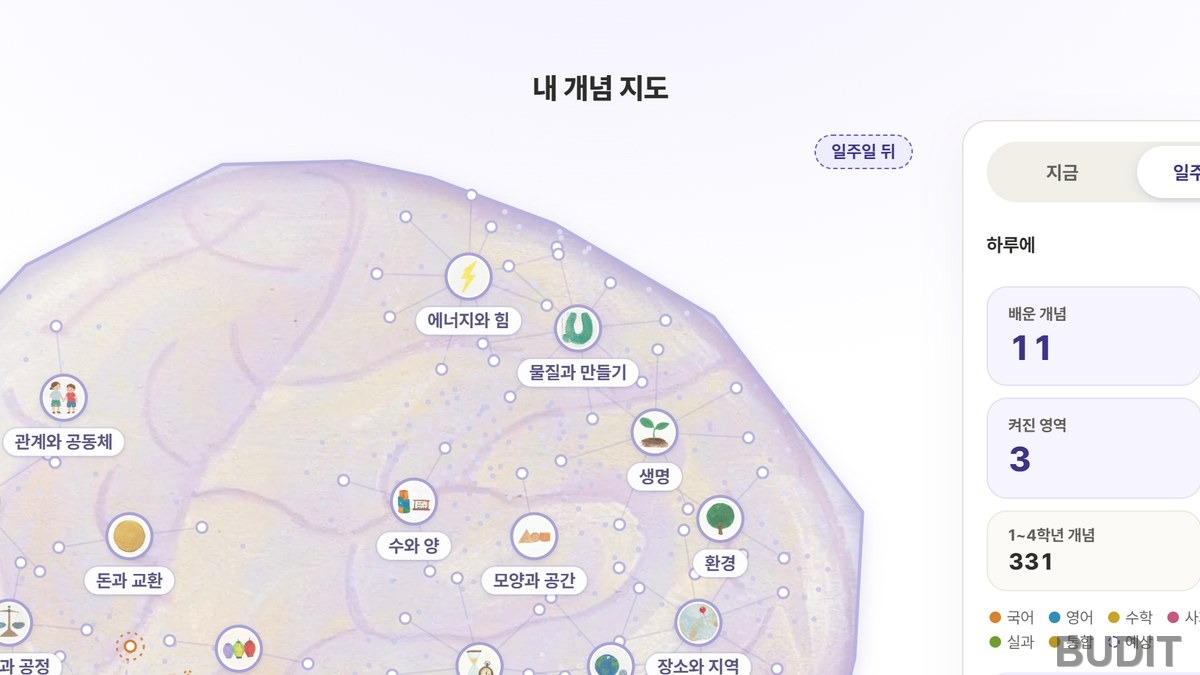
What Is Transfer of Learning 『The Power to Use What You Learned Somewhere Else』
Transfer of learning is using something learned in one place in another place. Solving it in the workbook but not in the test, learning it at school but not using it at home: both are transfer that did not happen. Transfer does not occur on its own, but comparing two examples, mixing practice and explaining why all raised it clearly in research. The studies and what to do at home.

How to Use NoryBook Shared Wordbooks 『Bringing In Another Family's Wordbook』
The NoryBook Custom Words tab holds wordbooks shared by other families and the elementary grade 1 to 6 English Day sets uploaded by NoryBook. Browse without logging in, and one tap on Import copies a wordbook into your library, ready for study mode, games and quiz PDFs. How to read the list, import a set and publish your own, shown on phone screens.

How Many English Words a Day Is Right for a Child 『Counting with Spaced Repetition』
Ten words a day sounds like three hundred a month, but research does not count that way. For one word to stay, a child needs to meet it several times, days apart, and pull it out from memory. Using studies on repetition, the spacing effect and retrieval practice, this post works out a daily amount, and shows how the 20 word Day sets in NoryBook shared wordbooks fit that count.
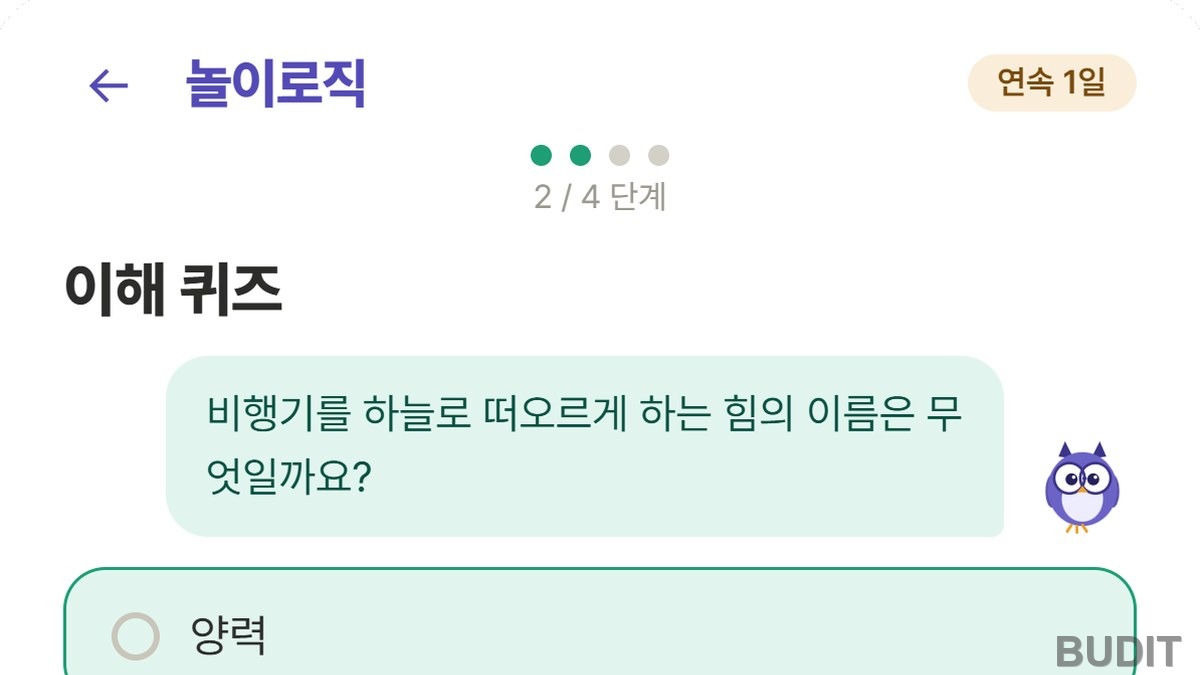
What Is Cognitive Debt 『Does the Mind Rest When AI Does the Thinking』
Cognitive debt is the loss of ability that piles up like a loan when thinking is handed to a tool: easy now, repaid later. Drawing on a 2025 study where people who wrote with AI showed the weakest brain connectivity and could not recall their own sentences, research showing that we do not remember content we believe we can look up, and research on how offloading thinking hardens, this post explains the term and how to keep cognitive debt from piling up in a child.
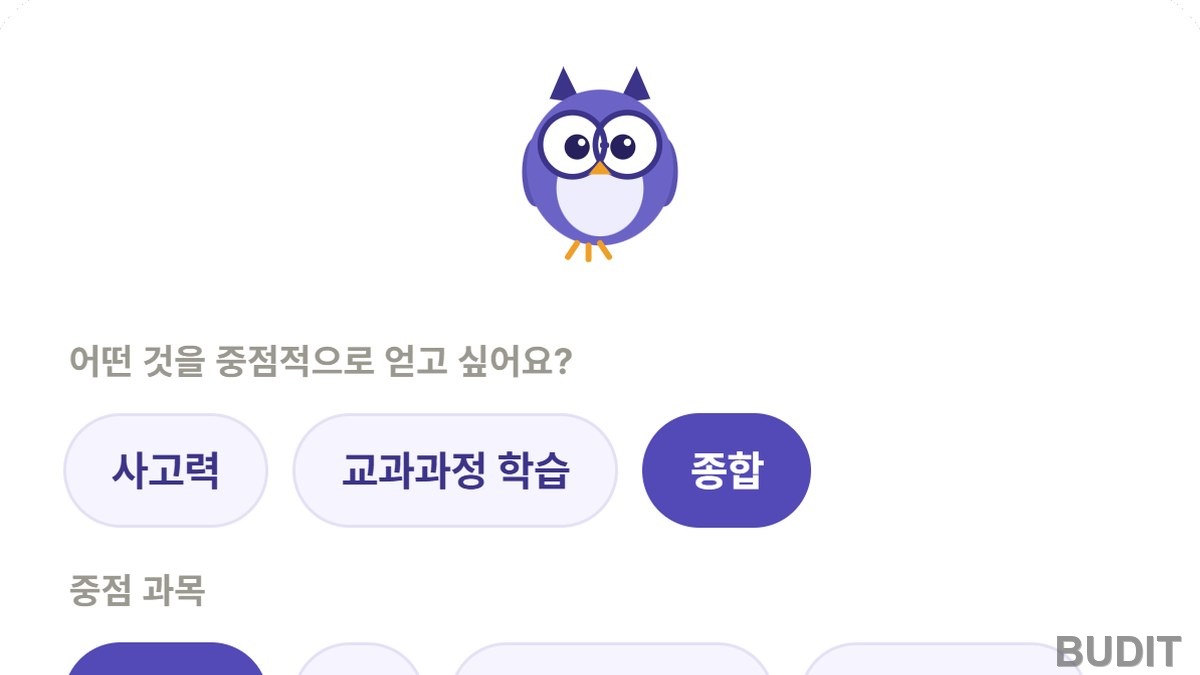
Study Habits for the Early Grades 『Ten Minutes a Day, Same Time, Same Place』
Study habits in grades 1 to 3 come from cues and repetition, not from quantity. Drawing on research showing almost no link between homework amount and achievement in elementary school, a study where self discipline explained grades better than IQ, a meta analysis showing that deciding 『when and where』 nearly doubles follow through, and the theory that habits harden through cues in the same situation, this post lays out a ten minute daily habit that fits the early grades.

Can My Child Do Homework with ChatGPT 『What to Hand Over and What Not To』
When a child wants to do homework with AI, should you stop them or allow it? Drawing on a 2025 study where students who copied AI answers scored 17 percent lower on the exam while students who got only hints lost nothing, research showing that the more people trust AI the less they check for themselves, and research showing that searching inflates how much we think we know, this post separates what can be handed to AI from what cannot, with five rules to agree on at home.

How to Build Elementary Literacy 『Know, Ask and Write Beats Reading More』
Elementary literacy is not the power to read letters but the power to understand what was read. This post covers research showing that background knowledge and vocabulary explain comprehension most, a meta analysis showing the link between print exposure and comprehension grows with grade, and studies showing that teaching words and writing about what was read improve comprehension, plus what to do at home every day.

How NoryLogic Stories Are Made 『From the News to Curriculum Concepts, Checked by People』
One NoryLogic story starts from the day's news, rises to a curriculum concept, gets a child level text and three questions, an illustration and a voice, and goes live only after a person checks it. This post explains the five steps, from choosing news and turning it into a concept to linking it to the 611 standards of the 2022 revised curriculum, choosing illustrations and videos, and review, with real numbers and screens.

What Children Need in the Age of AI 『Making Questions Beats Finding Answers』
AI finds answers faster. So what abilities are left for a child? Drawing on labor market research that points to social skills and judgment, a study showing students ask only about 0.1 questions per hour in class, and a 2025 study showing students who handed answers to AI scored 17 percent lower on the exam, this post sets out four things to grow in a child for the age of AI and how to do it at home.
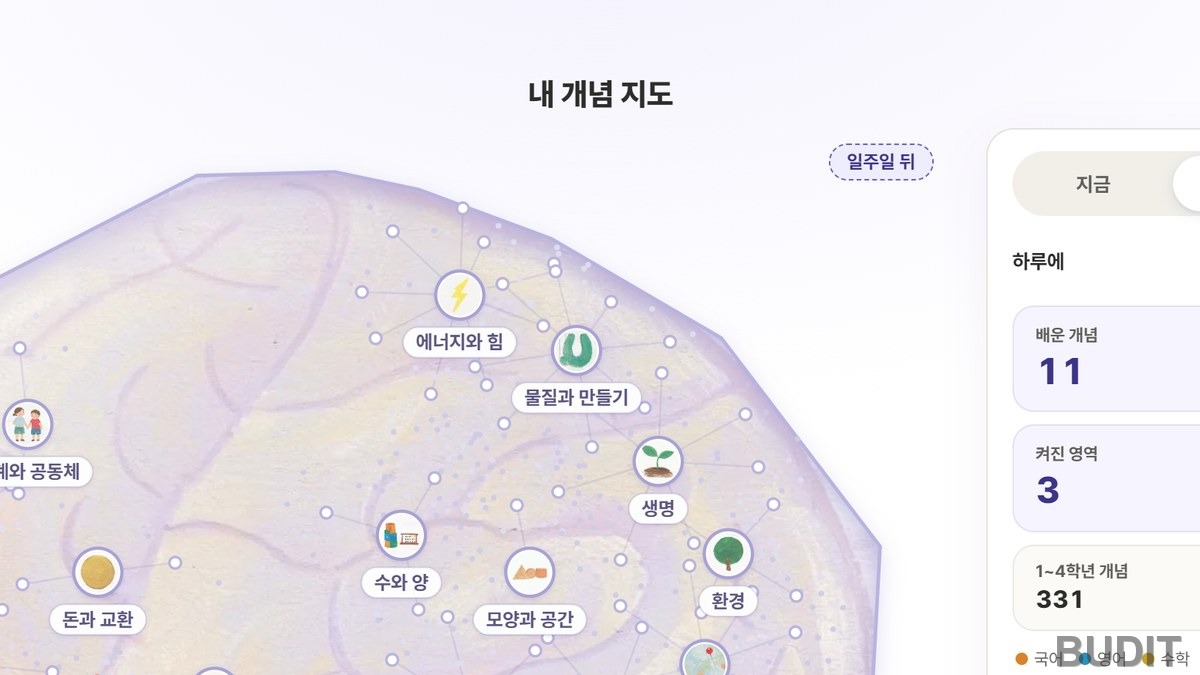
What Is Metacognition 『A Child's Power to Know Their Own Thinking』
Metacognition is 『knowing what I know and what I do not know』. This post covers Flavell, who named it in 1979, research showing it explains learning outcomes apart from intelligence, research showing children start noticing what they do not know around age five, and a meta analysis showing that teaching it to elementary students works well, plus four questions to grow it at home.

Read, Answer, Explain, Write 『There Is a Reason for This Order』
Answering a quiz after reading, explaining the reason and writing in your own words is not a new method. It rests on long tested learning principles. This post covers retrieval practice, where recalling beats rereading, elaborative interrogation, where answering 『why?』 helps facts stick, and the generation effect, where what you produce yourself is remembered better, and how to use them at home.

When Your Child Asks About the News 『Read Together and the News Becomes a Lesson』
Children meet the news before adults expect. This post covers the study in which students taught media literacy read purpose and point of view better, a meta analysis of 51 media literacy programs, the research showing that having children generate their own questions deepens comprehension, and how to read one news item together at home.