

How to Choose Picture Books by Age
Bookshops shelve picture books by age, but every publisher draws the lines differently. The research offers a simpler rule: what can a child see at this age, how do they understand a picture, and what do they take from a book. Those three questions divide birth to seven below.
At a glance
| Age | What the child does | Choose | Skip |
|---|---|---|---|
| 0 to 1 | Looks at faces and patterns | Faces, bold lines, high contrast, books to touch | Small, busy pictures |
| 1 to 2 | Learns that a picture stands for a thing | Realistic object pictures, one per page | Books with only exaggerated characters |
| 2 to 3 | Repeats and joins in | Repetition and rhyme, things to ask and answer | Long text, pictures that do not match the words |
| 3 to 5 | Follows a story and starts to notice print | Everyday stories, short sentences, visible letters | Letters buried in the picture |
| 5 to 7 | Moves toward reading alone | Slightly more text, activities with blanks and questions | Books that get hard all at once |
Birth to 1: faces and patterns
In an experiment that showed newborns only days old a series of cards, the babies looked longer at patterned cards than at plain colored ones, and longest of all at a card that looked like a face (Fantz, 1963). A newborn's vision is still blurry, but bold lines, strong contrast and faces get through.
At this age a book is for looking, not reading. Big faces, black and white contrast, pages that can be touched and chewed are enough. Text is almost beside the point.
1 to 2: a picture stands for a thing
Nine month olds reach for and scratch at a photographed object in a book as if they could pick it up. By nineteen months they stop doing that and point and name instead (DeLoache et al., 1998). The idea that a picture is a symbol for a thing, not the thing itself, is learned around the second birthday.
That is why pictures should be realistic at this age. When fifteen and eighteen month olds were taught a new object name from a picture book and then shown the real object, the babies taught with photographs recognized it, while those taught with simple cartoon style drawings did not (Ganea et al., 2008). One object per page, a photo or something close to one, and a parent saying the name: that is the whole recipe.
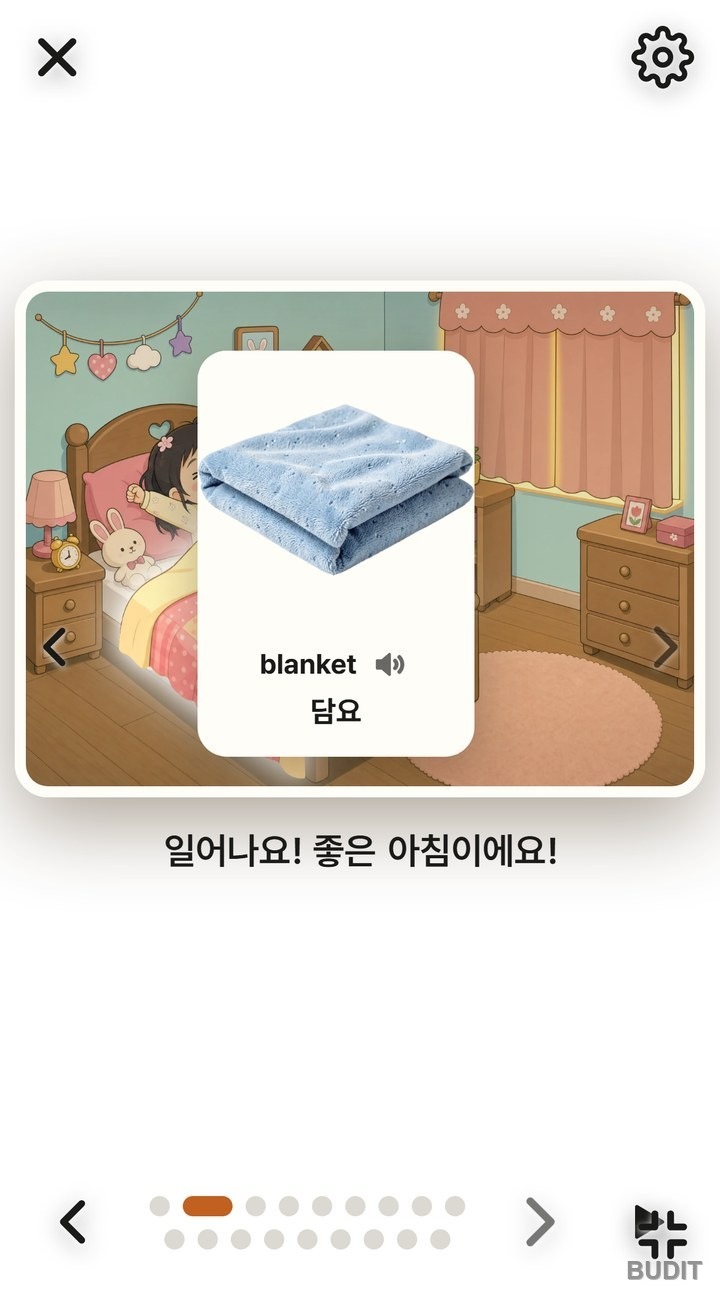
Photo: the blanket tapped in the 『NoryBook』 picture book 『My Day』 (as of Oct 19, 2026, Korean interface shown). Tapping an object in the picture brings up a word card with a real photo, a bridge from the picture to the real thing. Open the book
2 to 3: repeating and joining in
As speech takes off, a book becomes material for conversation. Books that repeat a line, books with rhythm and rhyme, let a child say the next word before you do. The research on asking questions and expanding a child's answers while reading is in our earlier article Learning Words by Pointing at Pictures.
When choosing, check that the picture and the words say the same thing. If the text says 『a rabbit in a red hat』 and the hat is a tiny detail hidden in the picture, a two year old cannot follow.
3 to 5: stories and letters
This is the age for following a story. Stories that run in an order the child already knows, like a day from waking up to going to sleep, with one or two sentences per page, fit best.
Letters also become part of the book now. In an eight week experiment with four year olds, one group was read to with the adult pointing at the print and asking 『where have you seen this letter?』, while the other group had picture focused reading. The print group came out ahead in recognizing letters and words (Justice and Ezell, 2002). Choose books with clear, large print, and point at a word now and then while reading.
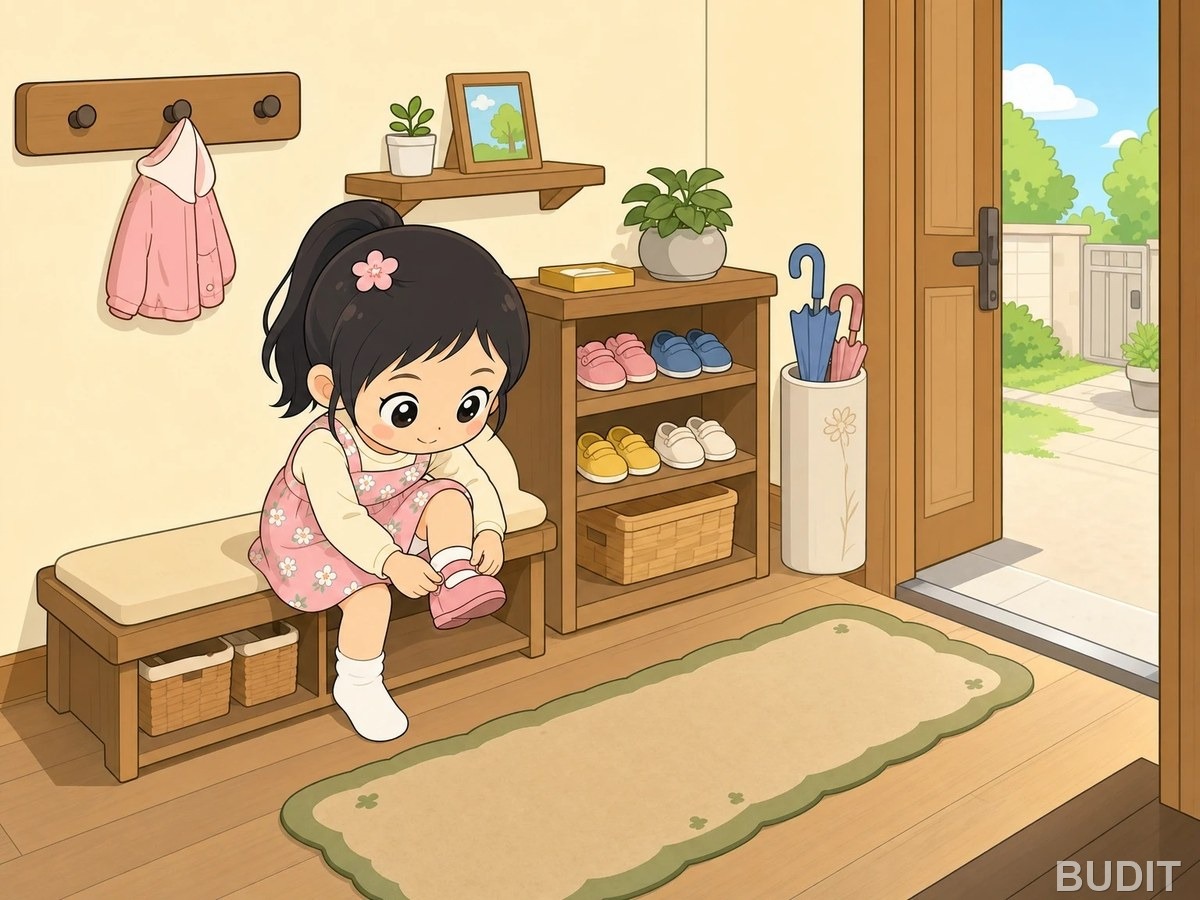
Photo: a scene from the 『NoryBook』 picture book 『My Day』 (as of Oct 19, 2026). A day told in the order a child knows: waking up, washing, getting dressed, going out. Open the book
5 to 7: toward reading alone
A study that followed children's reading for five years found two separate paths. Children from homes with lots of storybook reading were ahead in vocabulary and listening comprehension. Children whose parents taught them about letters directly were ahead in letter knowledge and early reading. The paths were different, and both led to grade three reading (Sénéchal and LeFevre, 2002). Keep reading aloud, and grow the share the child reads a little at a time.
Choose books so that nothing gets hard all at once. The same story with slightly longer sentences, then an activity that reads one sentence and traces it.
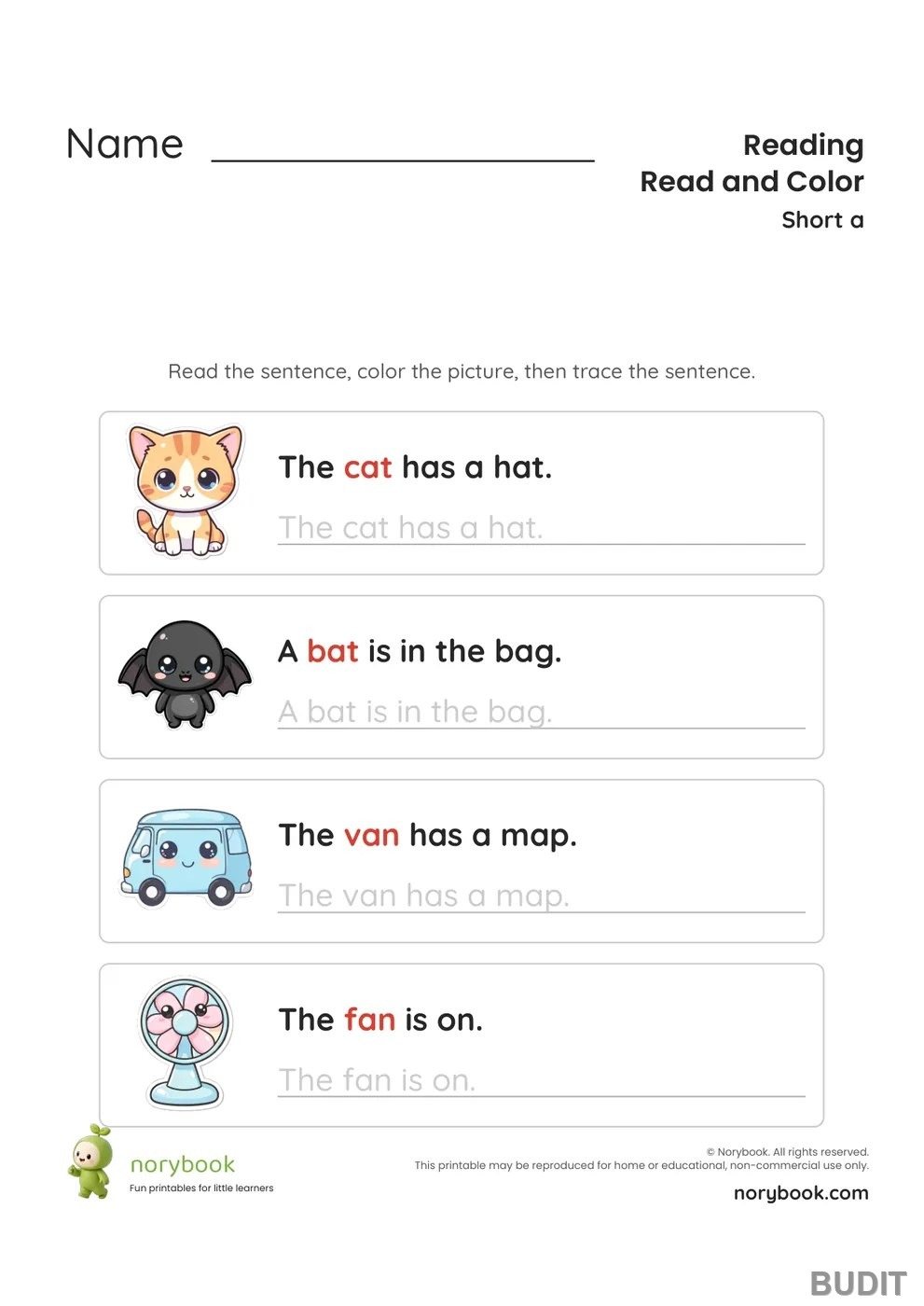
Photo: a 『NoryBook』 『Sentence Reading』 worksheet (as of Oct 19, 2026). Read a short sentence such as 『The cat has a hat.』, color the picture, then trace the sentence. An activity for the step from picture books to reading the words yourself. Open the material
What to do at home
- Sort the shelf by what the book is for rather than by age: books to look at, books to name things, books to repeat, story books, books to try reading. A book may belong in two piles.
- Before two, choose photos or realistic pictures, and save character books for after three.
- From three, point at a letter now and then while reading. 『That letter is in your name too』 is enough.
- For English picture books, read the same book with sentences of different lengths. As the child grows, change the sentences rather than the book.
- From five, do not cut back on reading aloud. Add one page at a time that the child reads.
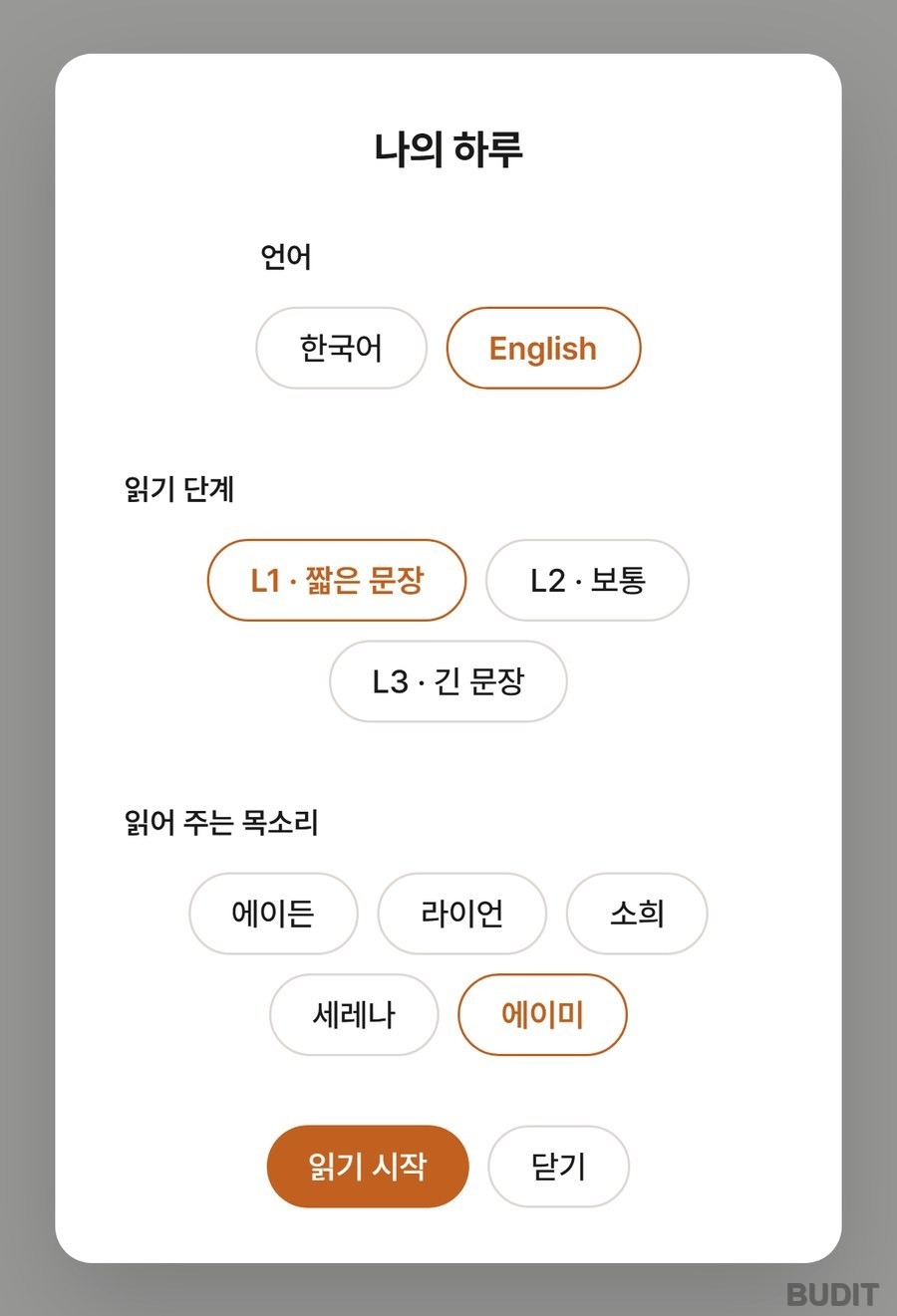
Photo: the 『My Day』 start panel with English chosen (as of Oct 19, 2026, Korean interface shown). Reading level L1 short sentences (ages 3 to 4), L2 medium (5 to 6) or L3 long sentences (6 to 7) reads the same book with sentences that fit the age. Open the book
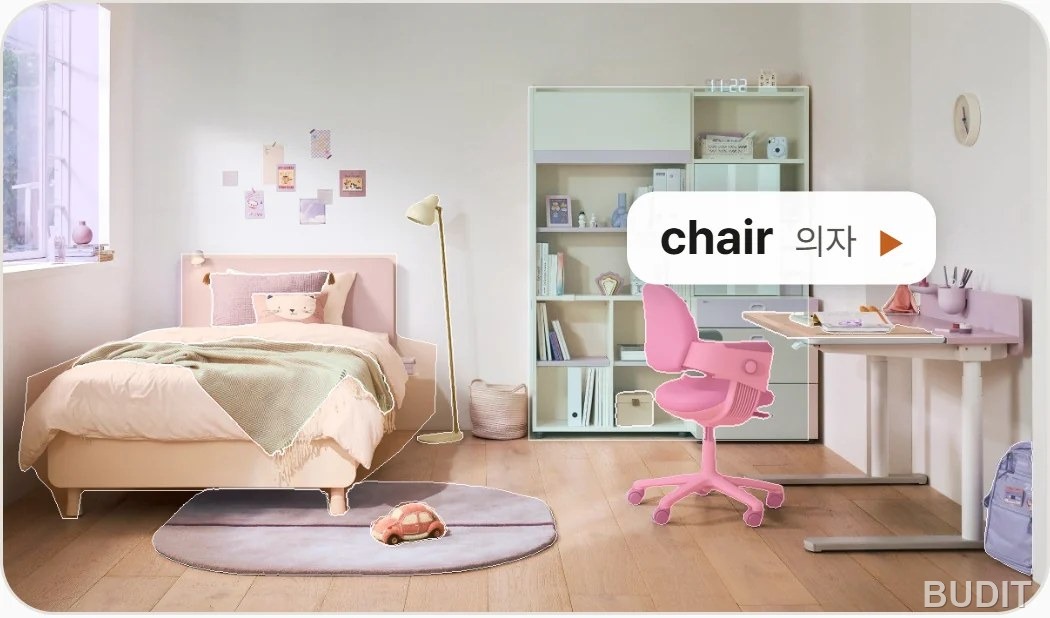
Photo: 『NoryBook』 Custom Cards (as of Oct 19, 2026, Korean interface shown). Upload a photo of your home and the things in it become word cards, a photo naming book for a two year old made from the child's own room. Try it
Questions people ask
My child loves character books. Are they bad? After three they are fine. The research only says that before two, realistic pictures transfer to real objects more easily. A book a child loves can be read at any age.
My child only picks books that are too easy That is fine. Why rereading the same book works is in our earlier article 『That Book Again?』 Why Rereading the Same Book Works. When the book is easy, raise the questions a notch.
From what age should I start English picture books? It is the method, not the age. Before two, photo word books. From three, everyday stories in short sentences. Timing is covered in When Should a Child Start Learning English.
Will pointing at letters turn reading into a lesson? Once a page is enough. In the study the print references were brief moments slipped between the reading, and the story never stopped.
How this continues in Budit
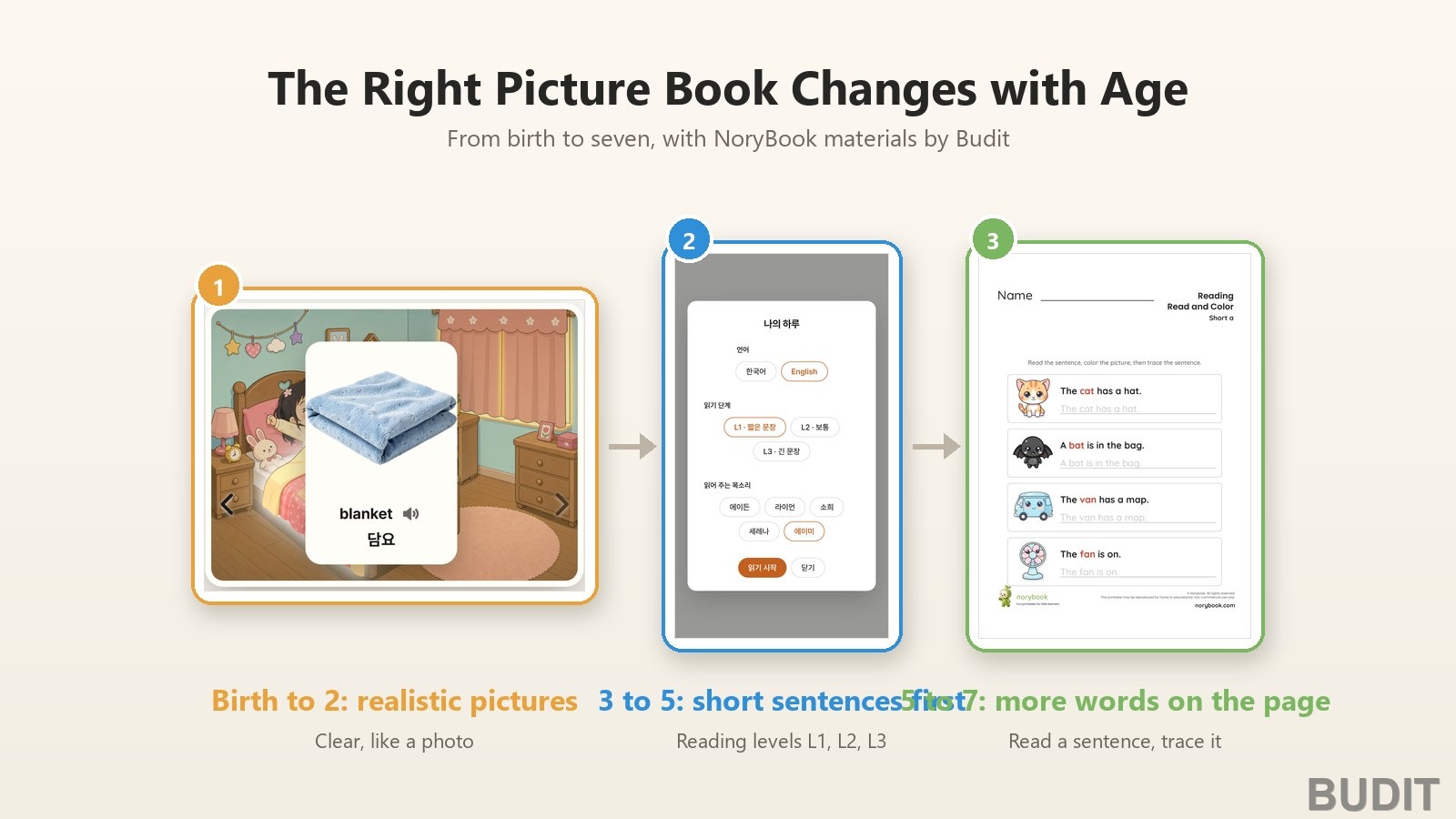
The three steps in the image at the top are the order of choosing by age.
- 『Birth to 2: realistic pictures』: tapping an object in My Day brings up a word card with a real photo, and Custom Cards turns a photo of your home into word cards.
- 『3 to 5: short sentences first』: reading 『My Day』 in English lets you choose reading level L1, L2 or L3, so the same book is read with sentences that fit the age.
- 『5 to 7: more words on the page』: activities like Sentence Reading, one sentence to read, color and trace, carry the child toward reading alone.
Related reading: The Science of Bedtime Reading 『Emotional Security and Sleep』, Tap the Picture, Collect the Word Cards 『Reading a NoryBook Picture Book』
References
- Fantz, R. L. (1963). Pattern vision in newborn infants. View the paper
- DeLoache, J. S., Pierroutsakos, S. L., Uttal, D. H., Rosengren, K. S. and Gottlieb, A. (1998). Grasping the nature of pictures. View the paper
- Ganea, P. A., Pickard, M. B. and DeLoache, J. S. (2008). Transfer between picture books and the real world by very young children. View the paper
- Justice, L. M. and Ezell, H. K. (2002). Use of storybook reading to increase print awareness in at-risk children. View the paper
- Sénéchal, M. and LeFevre, J. A. (2002). Parental involvement in the development of children's reading skill: A five-year longitudinal study. View the paper
This article shares general information about development and education. Every child grows at their own pace. For specific concerns, please consult a pediatrician or a development specialist.