


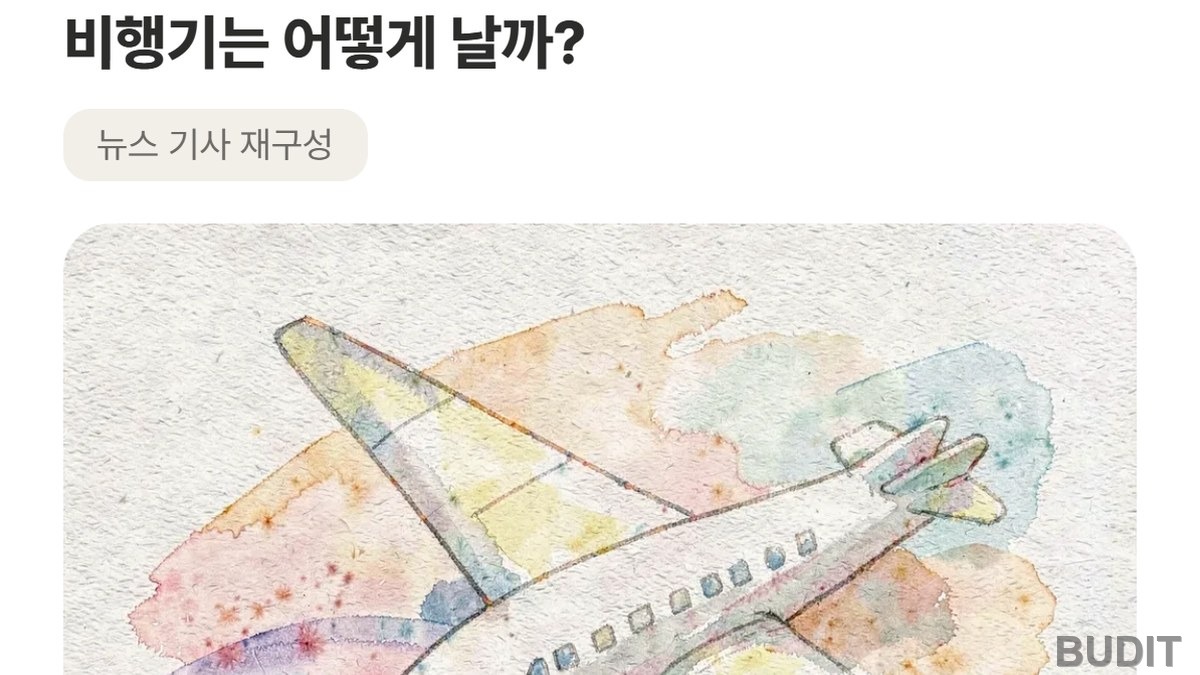
Background Knowledge Changes Reading Comprehension
Some children read the words smoothly but cannot say what the text means. We often blame reading skill, but research points to another reason. When a child knows little about the world a text describes, the sentences do not turn into a picture. Literacy grows when background knowledge about the world grows alongside the skill of reading.
At a glance
| Question | What the research says |
|---|---|
| Does background knowledge matter that much | Children who knew baseball understood a baseball text better, even with weaker reading skills |
| What do studies show together | Background knowledge was steadily linked to comprehension, and helped most with reading between the lines |
| Can teaching widen it | First graders who read linked science and social studies topics gained science knowledge and interest in reading |
| What to do at home | Read several texts on one topic, and meet new words inside that topic |
Children who knew baseball read about baseball better
Recht and Leslie grouped middle school students by reading skill and by baseball knowledge, and had them read a text about a baseball game. Then they asked the students to retell it and to act it out with figures on a model field. Students who knew baseball well, even in the weaker reading group, remembered and reenacted the text better than strong readers who knew little about baseball (Recht and Leslie, 1988). Knowing the subject mattered as much as reading skill.

Photo: the 『NoryLogic』 story 『How do planes fly?』 (as of Nov 5, 2026; NoryLogic is currently in Korean). A story that starts from the news is rewritten at a child's level, and a new word like lift can be tapped to see its meaning. Visit NoryLogic
Background knowledge powers inference
Smith and colleagues reviewed studies on background knowledge and reading comprehension. Background knowledge was steadily linked to comprehension, and helped most with inference, filling in what the text does not say outright. The researchers argued for teaching that builds content knowledge alongside reading skills, rather than teaching skills alone (Smith et al., 2021).
A text never says everything. To understand 『when a rocket pushes fire down, it goes up』, a child needs to have felt somewhere that pushing pushes back. What we already know fills the gaps.
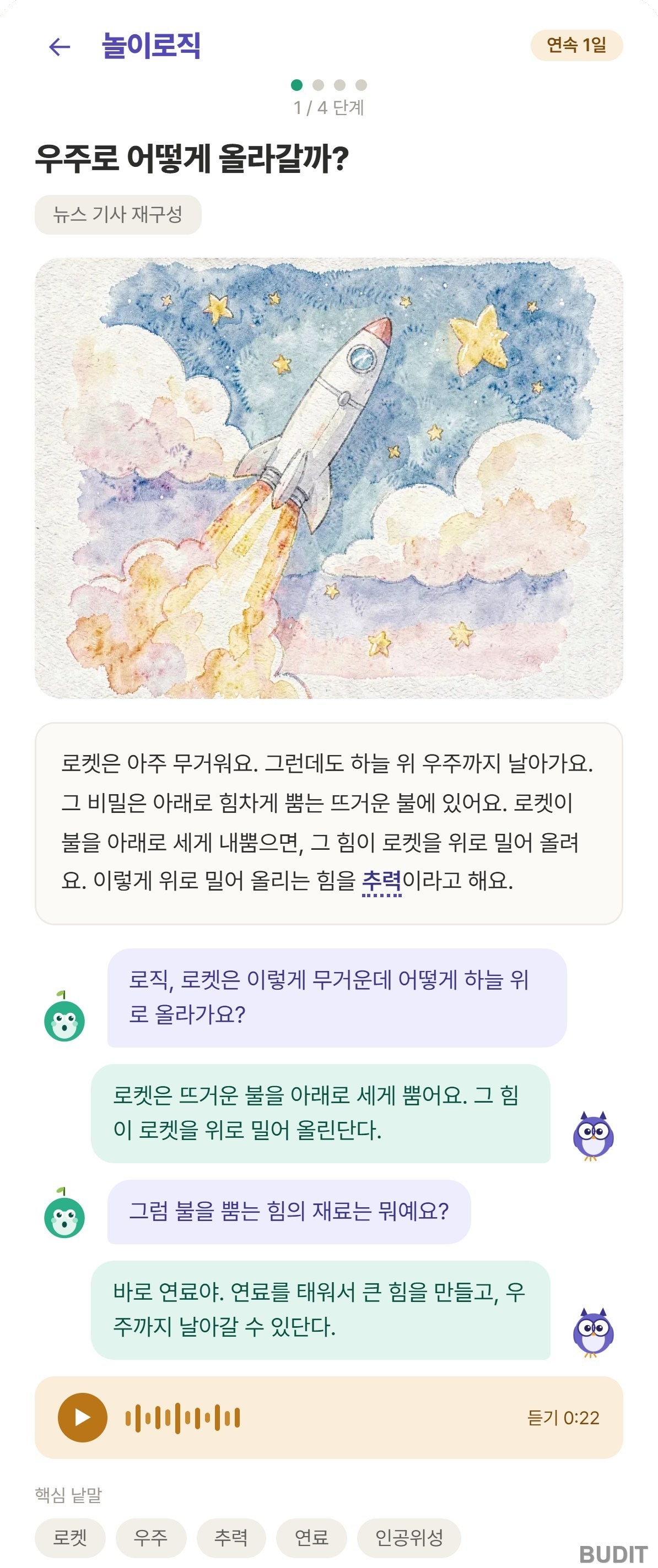
Photo: the 『NoryLogic』 story 『How do rockets get to space?』 (as of Nov 5, 2026). Lift on a plane and thrust on a rocket carry the same theme of force into another story. Visit NoryLogic
Reading linked topics grows knowledge and interest together
Kim and colleagues ran first grade lessons in which children read and discussed science and social studies topics one unit at a time. Children who read several books on the same topic and met its words again and again gained more science knowledge than children in regular lessons, and became more interested in reading too (Kim et al., 2021). Reading one topic in depth stayed as knowledge better than reading many scattered texts.

Photo: 『NoryLogic』 categories (as of Nov 5, 2026). Stories are grouped into six subjects, which makes it easy to keep reading one subject for several days. See the categories
What to do at home
- Read one topic for several days. If today was rockets, try planes tomorrow and space junk the day after.
- Turn news into concepts. Instead of stopping at 『a rocket was launched』, ask 『how does a rocket go up?』, and the event becomes knowledge.
- Meet new words inside the topic. Rather than memorizing 『thrust』 from a list, meet it in a rocket story and compare it with 『lift』 in a plane story.
- Bring out what they know before reading. 『What do you know about rockets?』 makes room for the text.
- Connect it to daily life. Blow up a balloon and let it go, and the word thrust gets an experience attached to it.
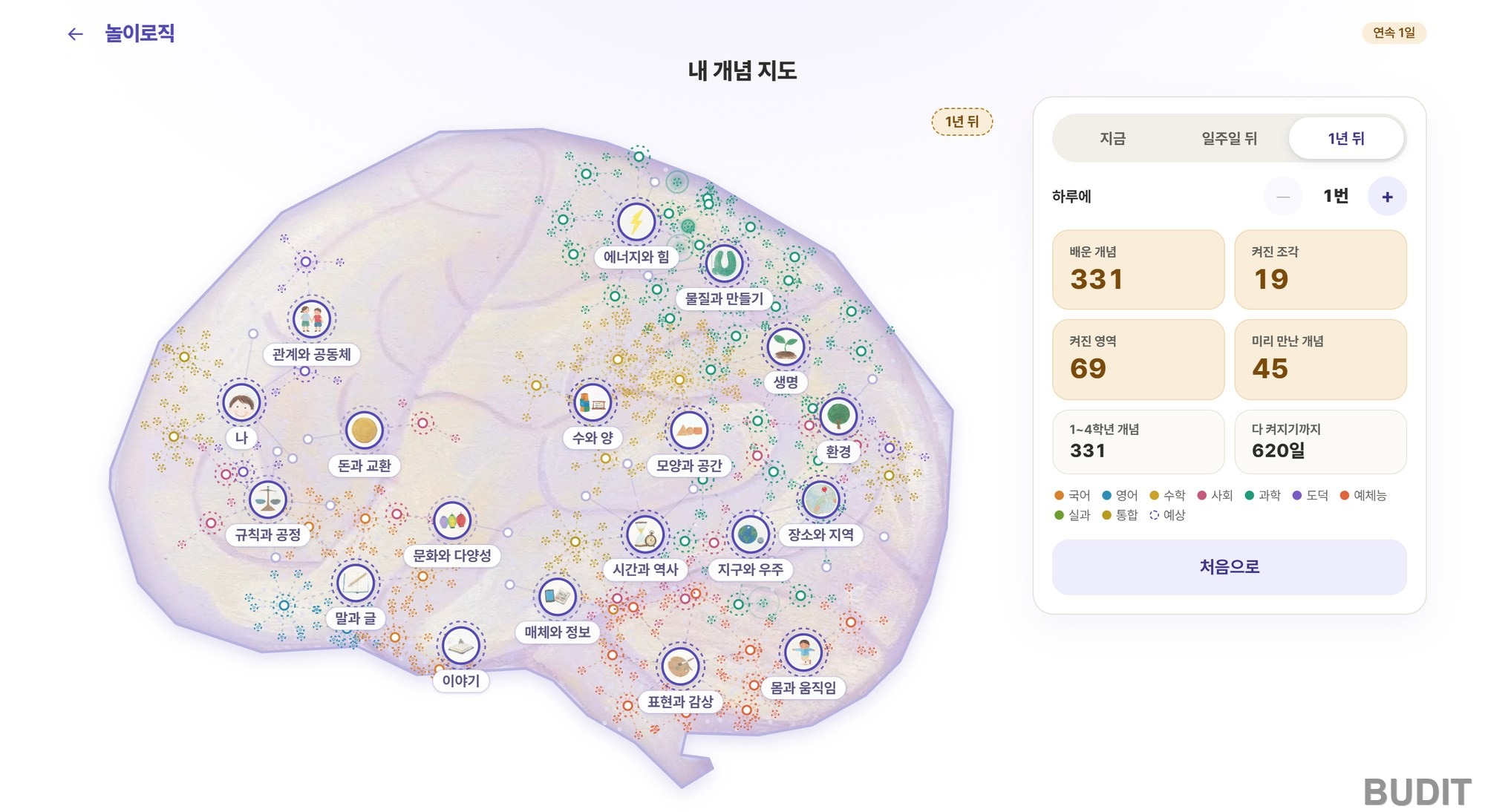
Photo: the 『NoryLogic』 concept map previewing 『one year ahead』 (as of Nov 5, 2026, projected at one story a day). The more stories a child reads, the wider the subject colored dots spread across each area. See the concept map
Questions people ask
Doesn't reading a lot build background knowledge on its own? It does. But when topics are scattered, it is harder to tie them into knowledge. Reading several texts on the same topic lets words and concepts hold on to each other.
Isn't the news too hard for children? News articles as they are, yes. Turn the event into the concept behind it, in a child's words, and the news becomes a good bridge between today's world and the textbook.
When should reading comprehension workbooks start? Workbooks are tools for practicing reading skills. Before them, and alongside them, give the child plenty of texts on topics they are curious about.
How this continues in Budit
The three steps in the image at the top are the order for widening background knowledge.
- 『Read today's world』: NoryLogic rewrites stories that start from the news at a child's level and attaches meanings to new words.
- 『Stay with one subject』: in Categories, keep reading one subject, such as science and technology or money and economy, for several days.
- 『Check the map』: in the concept map, see together which curriculum concepts the stories connect to.
If you are new, start with Getting Started with NoryLogic to see the order of one session.
Related reading: Getting Started with NoryLogic 『One Story a Day, Read and Think Three Times』, Why Deep Reading Matters in the Age of Short Form 『The Reading Brain Is Not Inborn』, Children Who Trust AI Answers As Is 『Automation Bias and the Habit of Thinking First』
References
- Recht, D. R. and Leslie, L. (1988). Effect of prior knowledge on good and poor readers' memory of text. Journal of Educational Psychology. View the paper
- Smith, R., Snow, P., Serry, T. and Hammond, L. (2021). The role of background knowledge in reading comprehension: A critical review. Reading Psychology. View the paper
- Kim, J. S. et al. (2021). Improving reading comprehension, science domain knowledge, and reading engagement through a first grade content literacy intervention. Journal of Educational Psychology. View the paper
This article shares general information about development and education. Every child grows at their own pace. For specific concerns, please consult a pediatrician or a development specialist.