


Budit Blog
News and columns, delivered through data
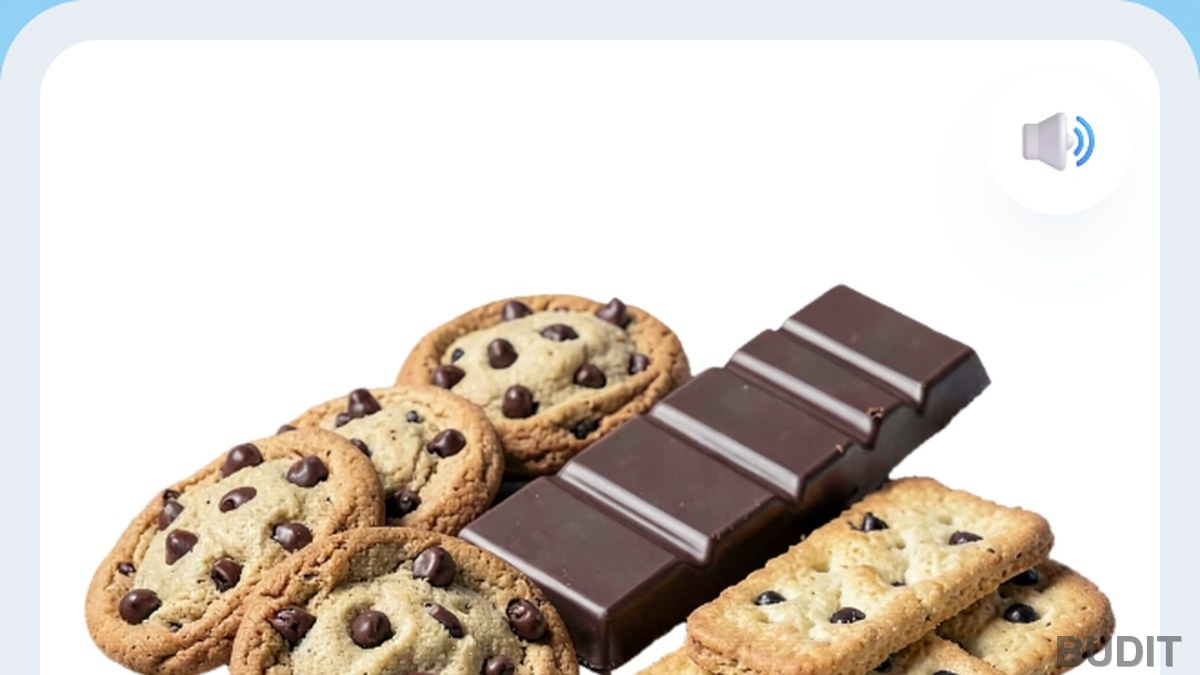
Why Show Pictures and Words Together 『Dual Coding』
Words and pictures are stored in memory in different ways. Dual coding theory, the picture superiority effect and multimedia learning research explain why word cards need pictures, and how to choose an art style.
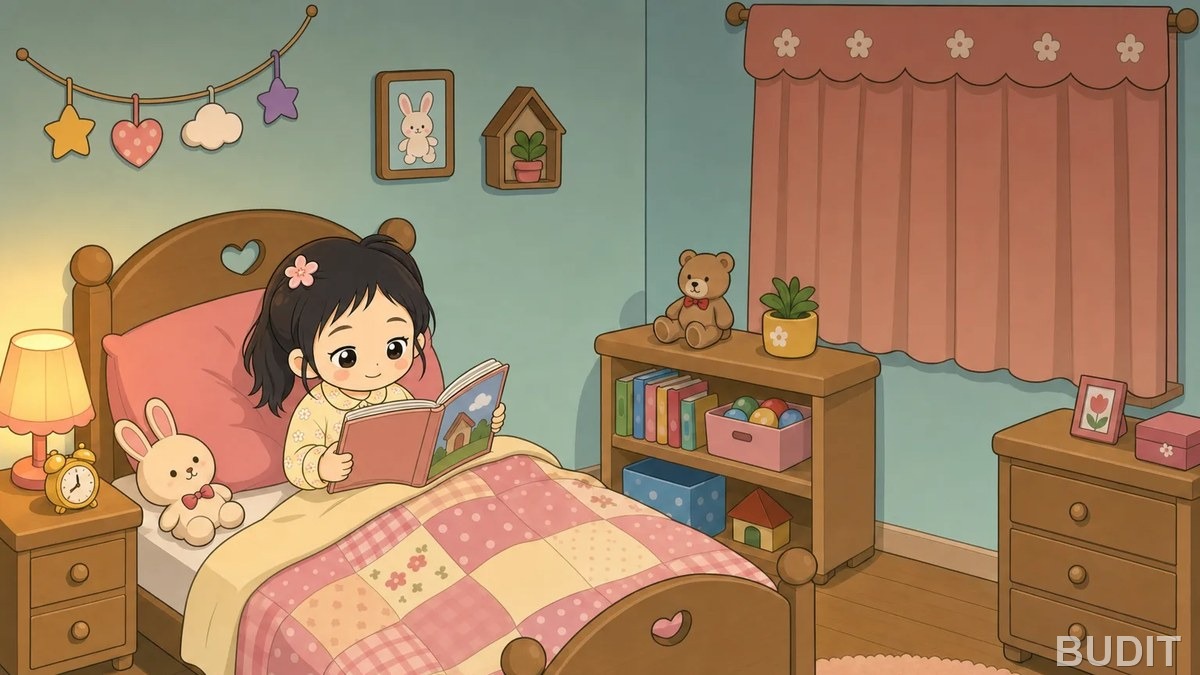
A Gift of Voice for Busy Parents 『Comfort That Reaches Across Distance』
For parents whose late nights and work trips mean many missed bedtime stories. What research says about the amount of time together, phone calls versus text messages, and video calls versus recorded video, plus a reading plan for busy days.
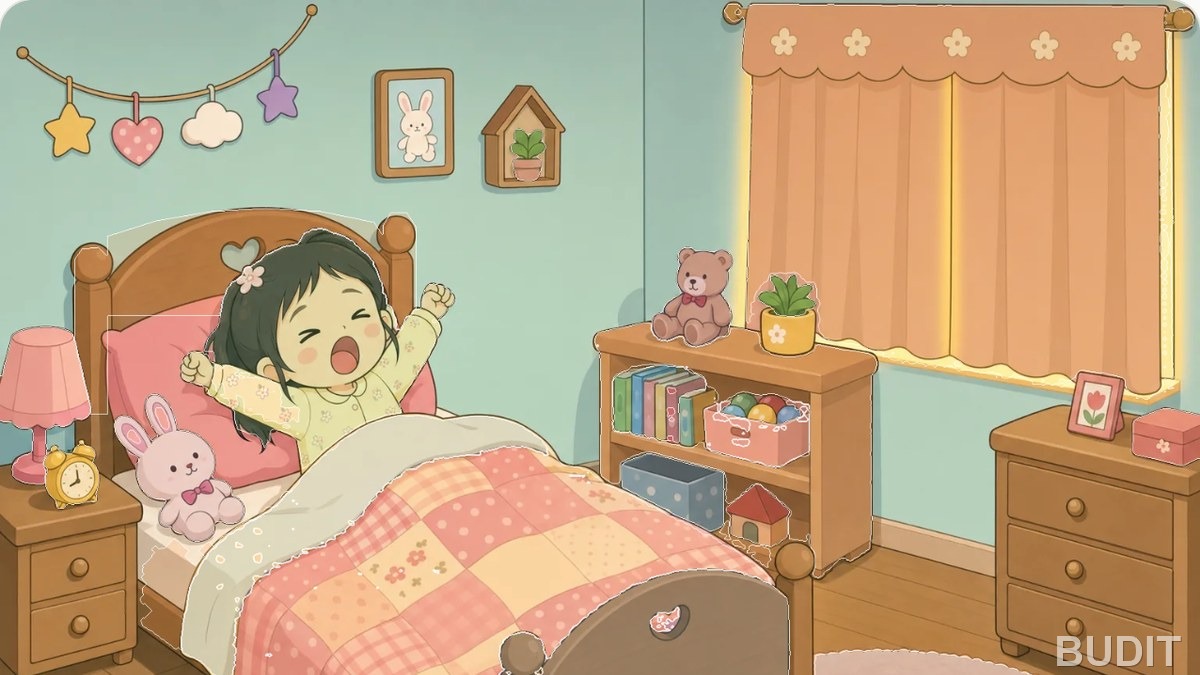
Why Start Children's English with Everyday Words 『The Vocabulary Spurt』
At some point many children start picking up new words much faster. Research on the vocabulary spurt, fast mapping and how much speech children hear explains why everyday objects make good first English words.
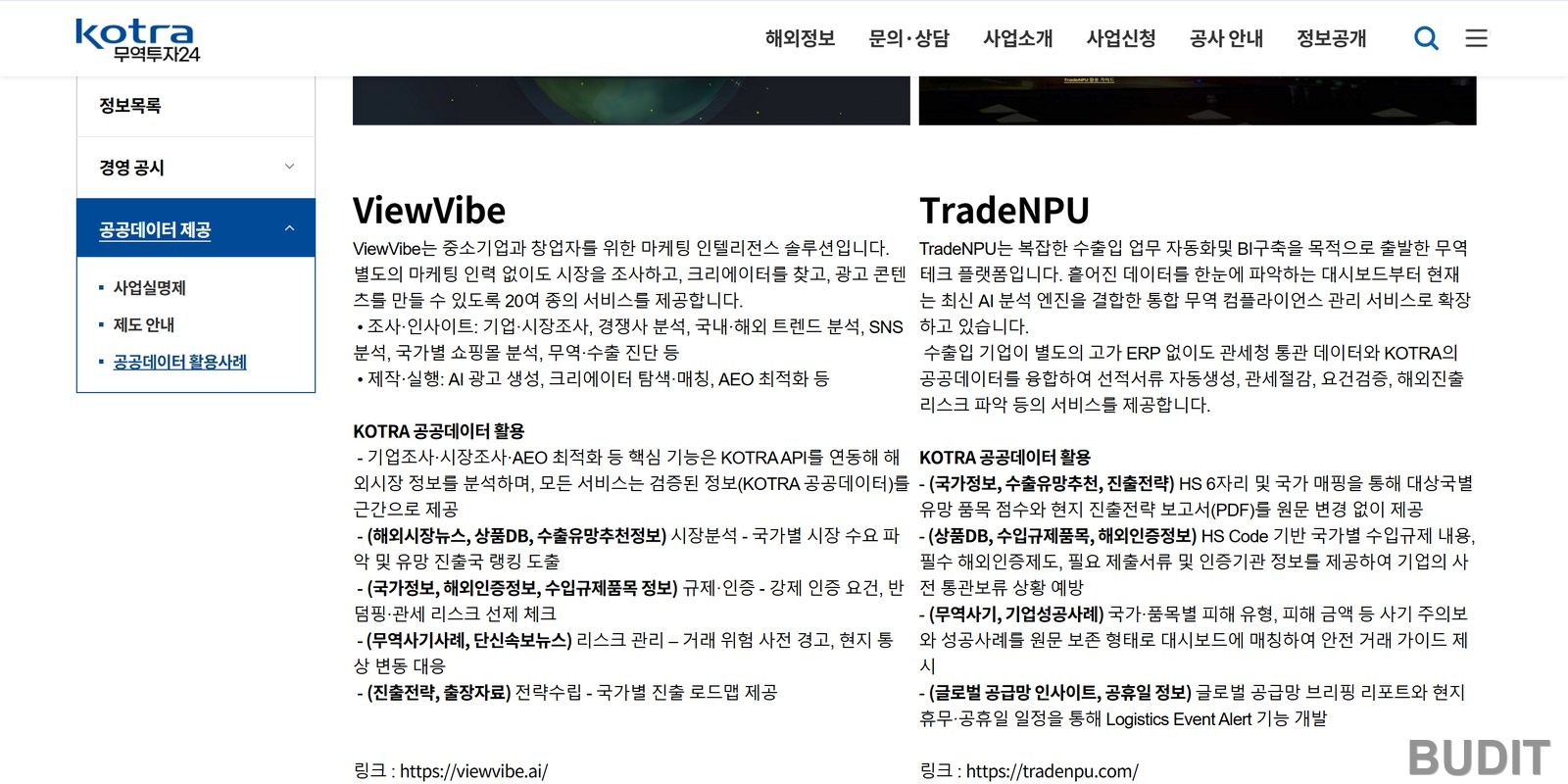
ViewVibe Named a KOTRA Public Data Use Case
Budit's ViewVibe is featured on KOTRA's 「Public Data Use Cases」 page. The story of reconciling country and HS codes across agencies, and of the 14 years of data KOTRA sent us directly.

The Science of Bedtime Reading 『Emotional Security and Sleep』
A short bedtime routine done in the same order each night can help children sleep. What sleep research says about routines and bedtime reading, and how to keep screen light low.
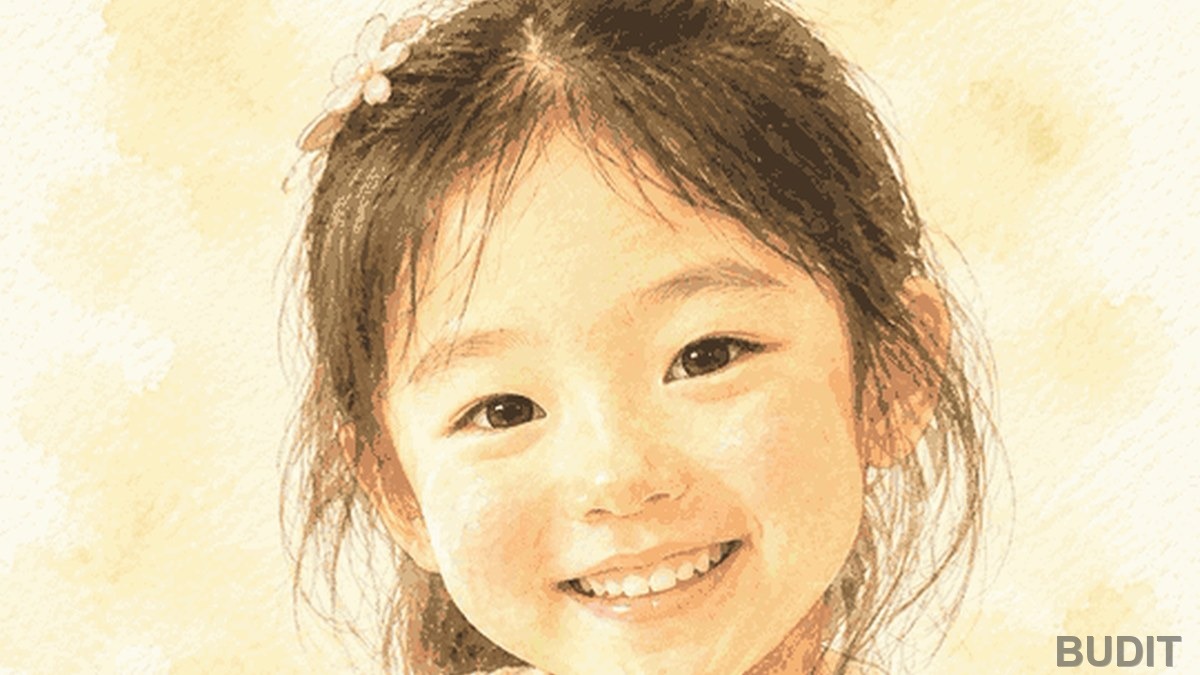
When Do Children Recognize Themselves 『The Self in the Mirror』
From the rouge test in the mirror to recognizing themselves on video, a look at the research on how children come to recognize themselves.
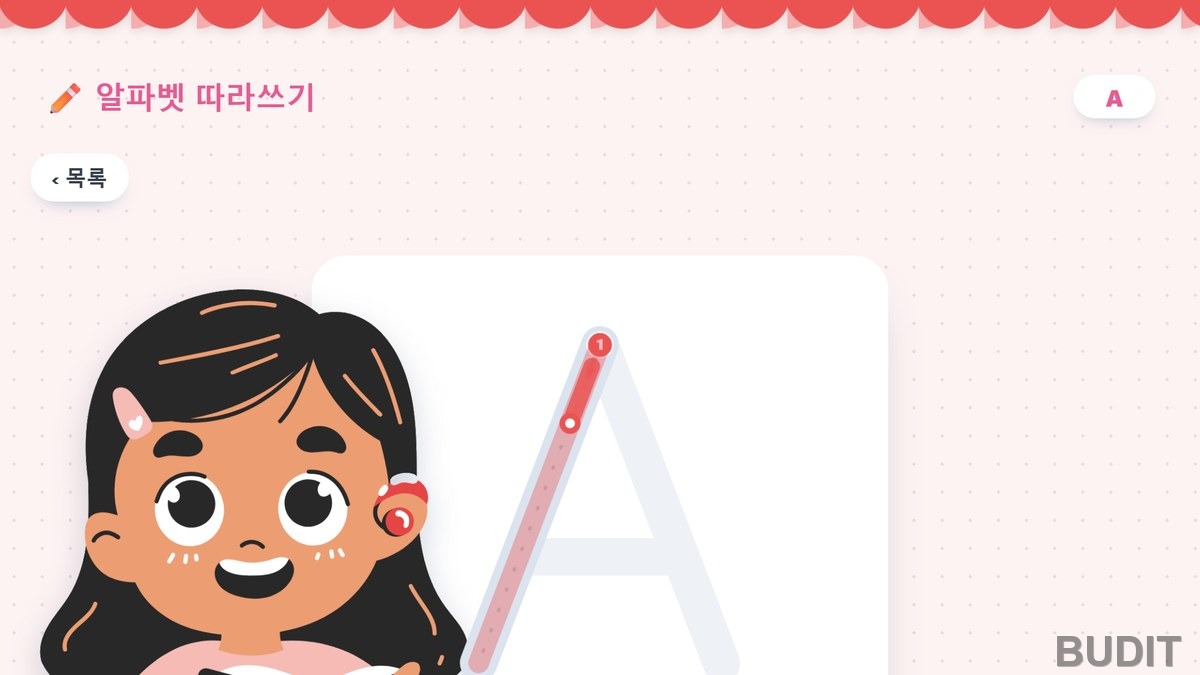
Why Dotted Tracing Is the First Step to Writing 『Motor Memory』
The movements of writing become automatic with practice, and studies suggest children recognize letters better when they learn them by hand. A look at motor memory and handwriting research.
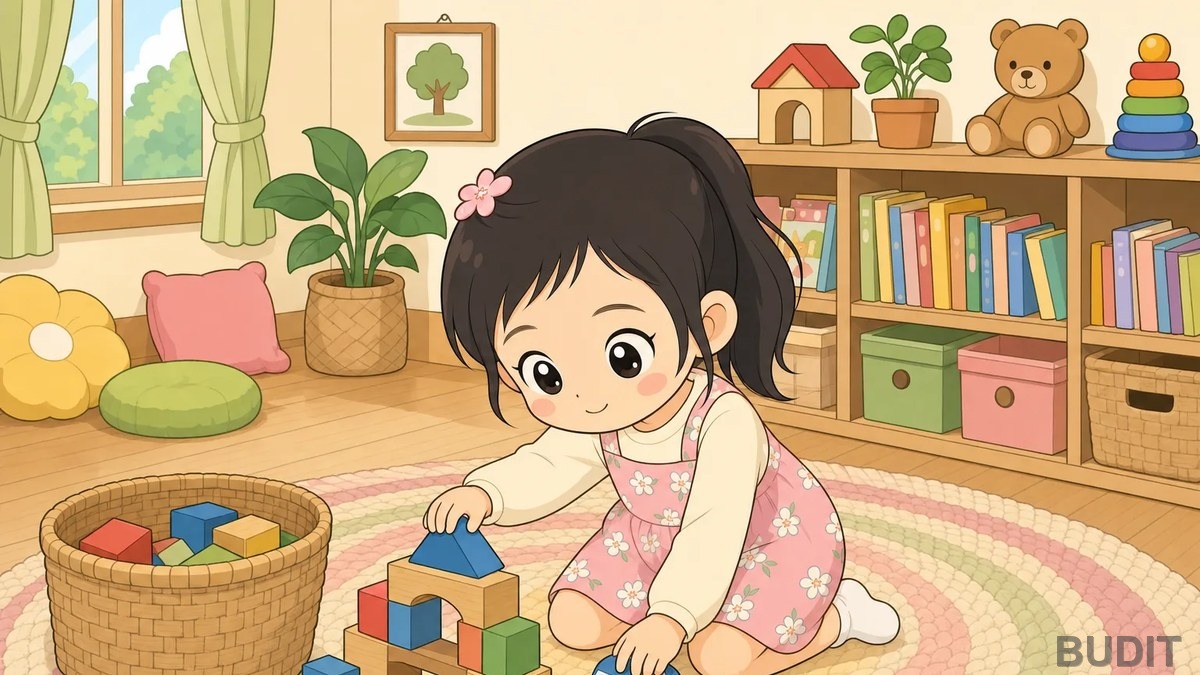
Play Is Learning 『Play Based Learning』
There is learning inside children's play. The different forms play can take, research on guided play, and what helps children learn, plus ways to bring it all together at home.
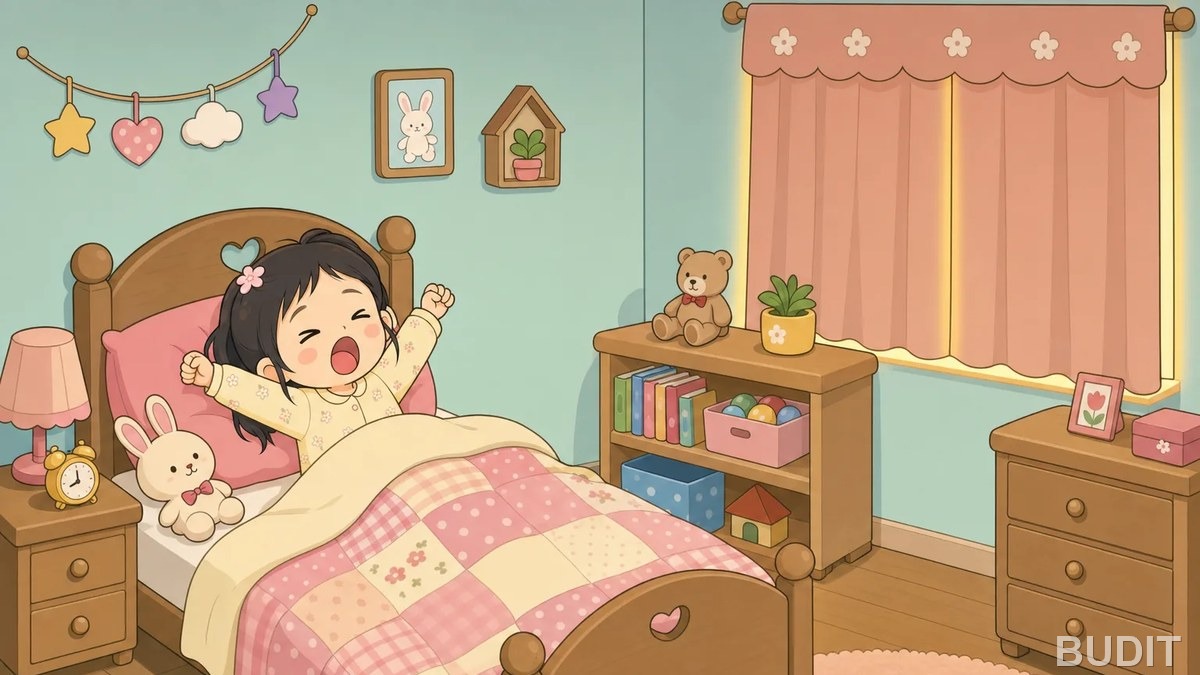
The Comfort of a Book Read in a Parent's Voice 『Attachment』
Before story time is about learning letters, it is a time for a child to lean on a parent. What attachment theory, shared reading studies and research on voices tell us about it.
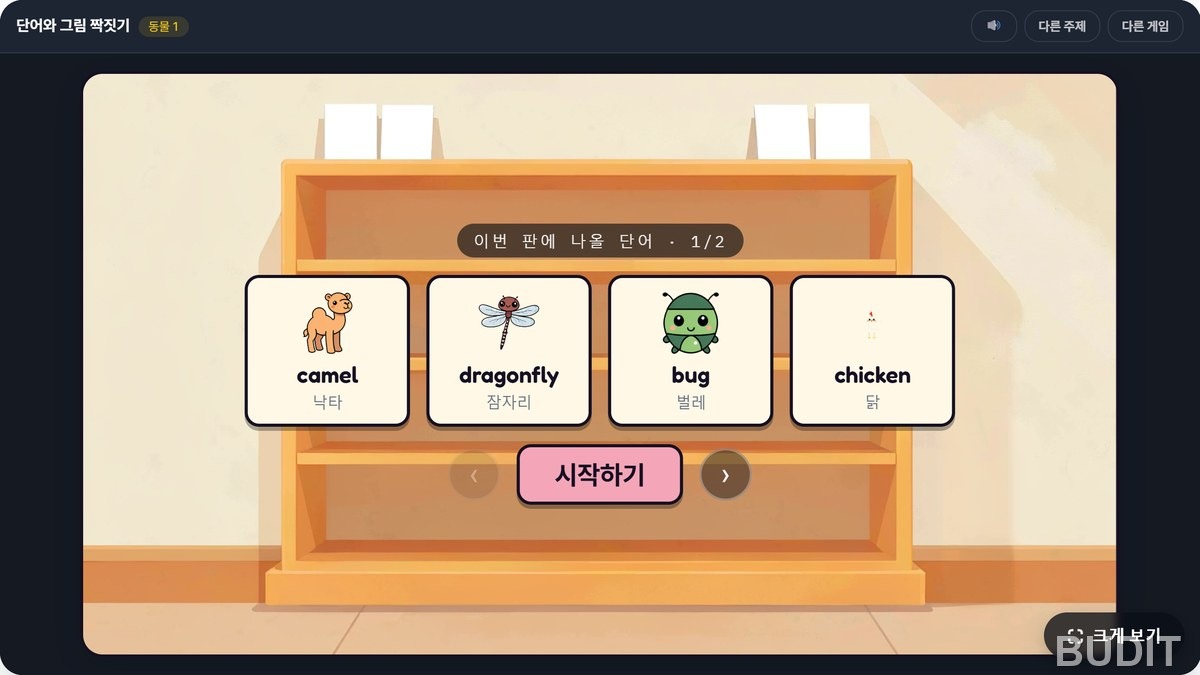
Learning Feeling Words with My Own Face 『Emotion and Memory』
Emotionally charged experiences tend to be remembered better. A look at research on emotion and memory and on recognizing and naming feelings, plus a way to meet feeling words through your child's own face.
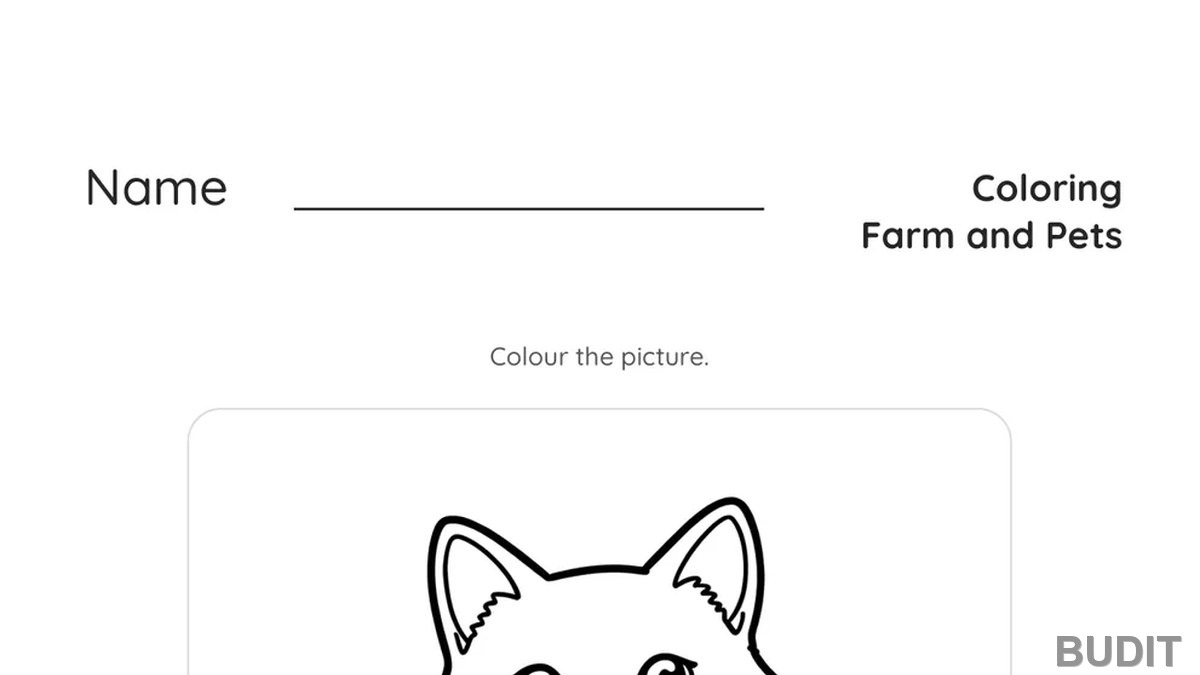
The Power of Coloring 『Focus and Eye and Hand Coordination』
Coloring inside the lines means using the eyes and hands together. A look at research on eye and hand coordination and on coloring before a test.
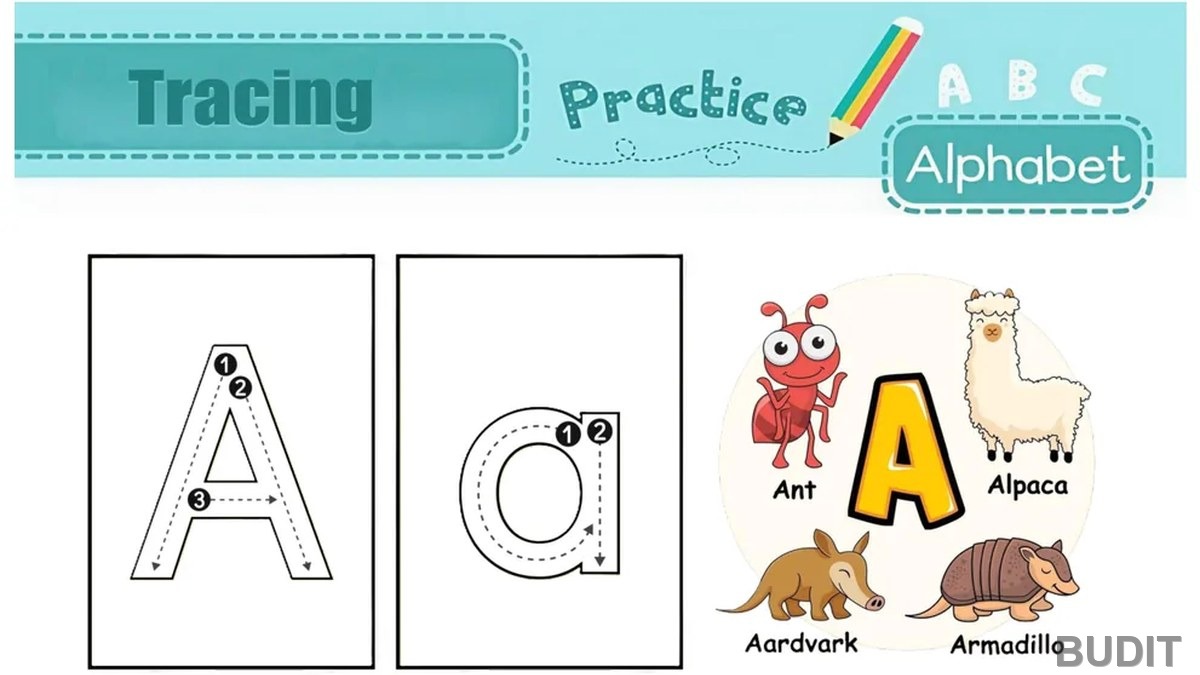
What Happens in the Brain When You Write by Hand 『Handwriting and Learning』
Studies show the brain behaves differently when writing by hand than when typing: the reading network in five year olds, EEG in twelve year olds and adults, and why NoryBook's alphabet writing sets follow the order they do.