


Budit Blog
News and columns, delivered through data

Getting Started with NoryLogic 『One Story a Day, Read and Think Three Times』
NoryLogic rewrites news and school concepts at a child's level and leads the child through four steps: reading, a comprehension quiz, a reasoning question and a thought journal. From the first settings to today's mission, the four screens of one session and the concept map, shown with real screens.
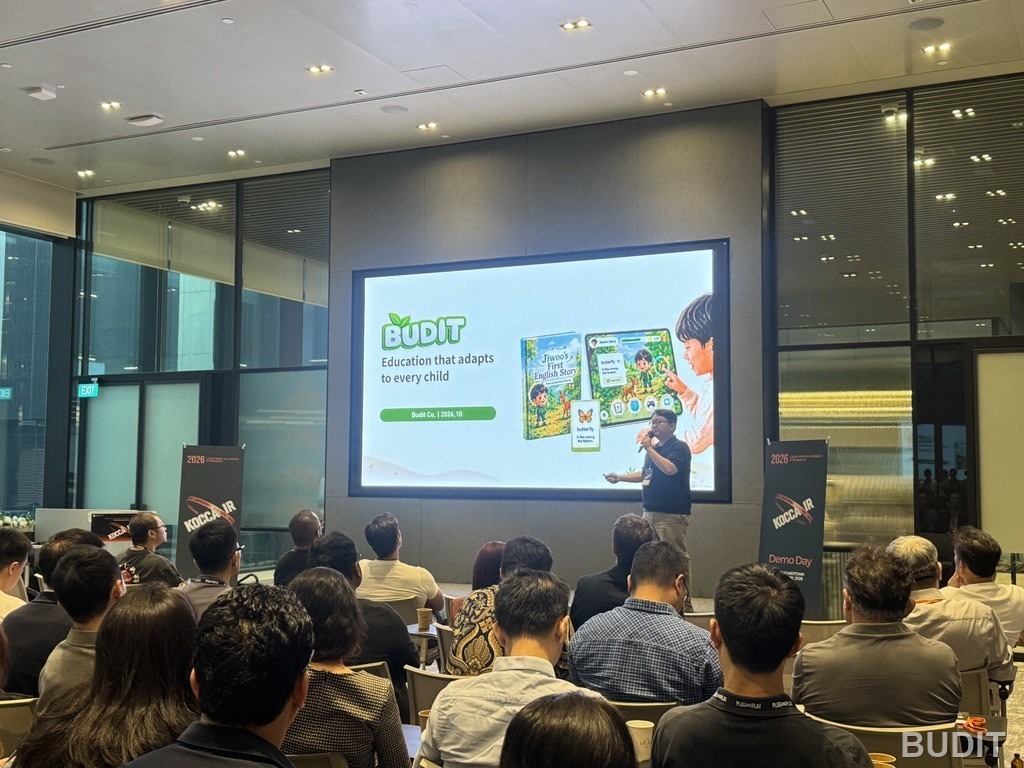
Budit at 2026 Launchpad Singapore 『Meetings with About 30 Investors and Partners, and a Preschool PoC Ahead』
Budit took part in the Singapore program of KOCCA's 2026 Content Startup Global Accelerating Program (Launchpad), run by Plug and Play. We met about 30 investors and partners, agreed to run a PoC in local childcare centers and kindergartens in Singapore, and discussed entering the Indian market with an investor from India.
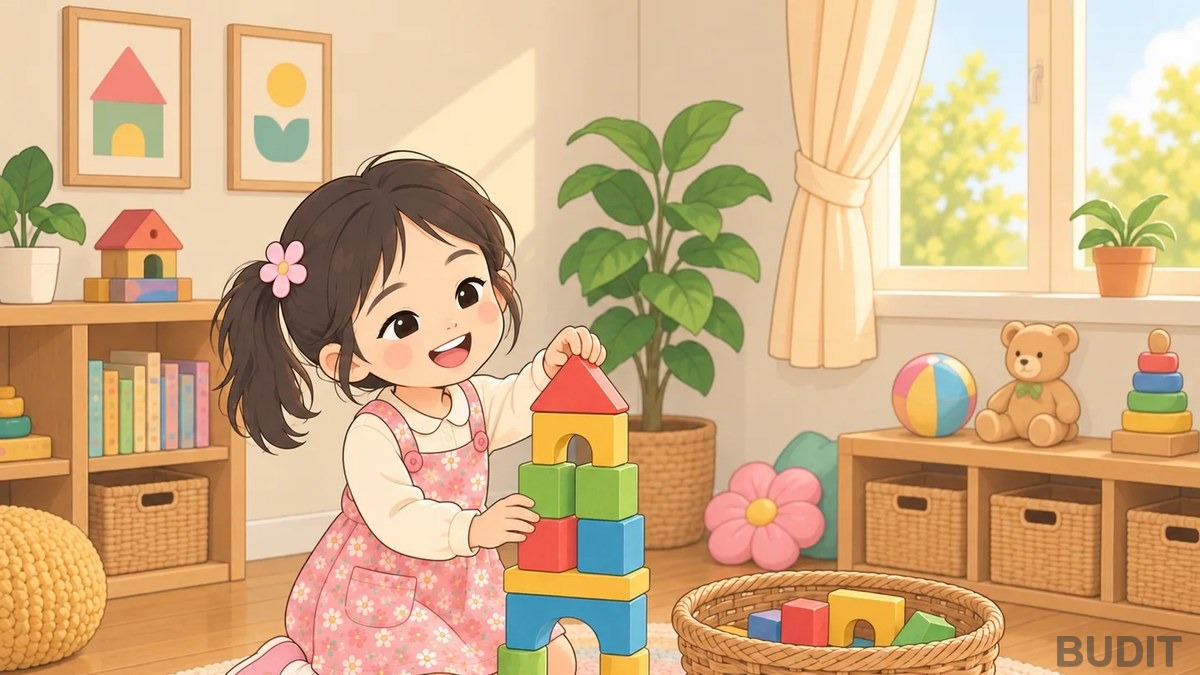
Praising the Process 『You Kept Trying Beats You're So Smart』
Which praise, instead of 『good job』 or 『so smart』, helps a child stay with something hard, from the research. The experiment in which children praised as smart chose easier problems, the difference one phrase like 『a good drawer』 makes, the study in which process praise heard as a toddler led to a love of challenge years later, and how to practice praise at home with picture books and sheets.
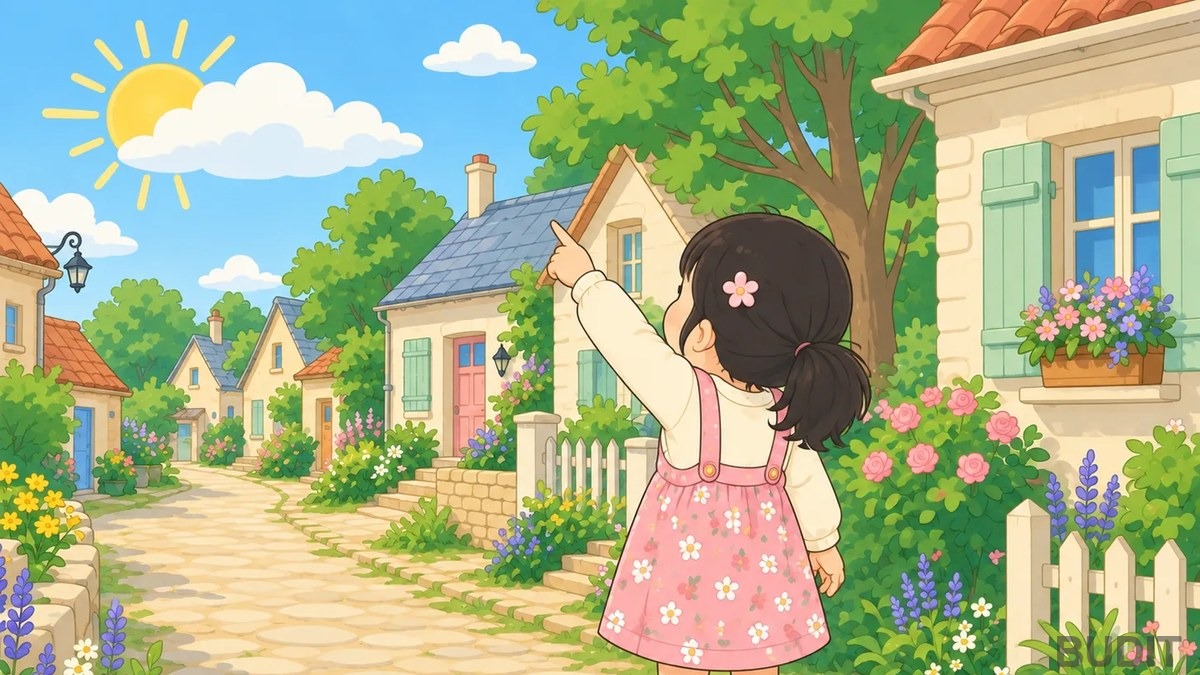
Growing Scientific Curiosity 『How to Answer a Child's Why』
How to answer a child who asks 『why?』 dozens of times a day so that curiosity keeps growing, from the research. The finding that most of a child's questions seek information, children who are satisfied only by explanations, the experiment in which showing the answer first cut exploration, and how to keep questions going at home with picture books and science sheets.
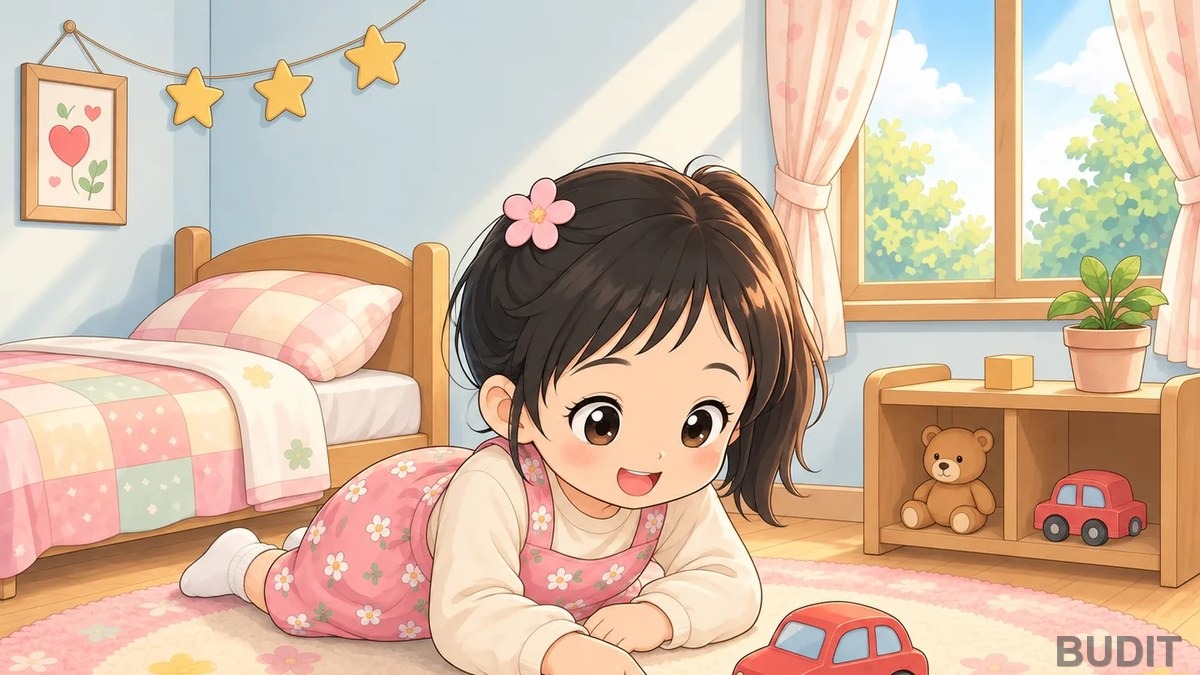
Number Sense in Everyday Life 『Counting What Is in Front of You Beats Drills』
Why a child who recites one to ten still hands over a fistful when asked for 『three』, and the difference between saying numbers and knowing them, from the research. The analysis in which number skills at school entry best predicted later achievement, the gap between homes in number talk, the effect of four sessions of a number board game, and how to do it at home with picture books and counting sheets.

Emotion Coaching and Feeling Words 『A Feeling Gets Smaller Once It Has a Name』
Why 『you're upset』 works on a child in a tantrum when 『stop it』 does not, from the research. The five steps of emotion coaching, what happens in the brain when a feeling is named, the follow-up study in which children who heard more talk about feelings at home read others' minds better, and how to grow feeling words with picture books and emotion cards.

Reviewing with Word Cards and Games 『NoryBook Review Features and NoryCard Games』
After a NoryBook picture book is finished, its words carry on into word card sessions and twelve games. Which accounts they open for, the order of picking a session and a game, the NoryCard games anyone can play without logging in, and a review plan spaced over days.
Screen Time, Alone or Together 『The Same Screen Turns on Who Is Sitting Beside the Child』
How a child watches matters more than how many minutes. The pediatric guidelines, why toddlers learn less from video, the experiment where an adult asking questions changed the outcome, and the study where an electronic book cut conversation, with house rules for screens at home.

The Trade Explorer and HS Codes 『How to Use ViewVibe Global Trade Analysis』
Search for kimchi and the explorer finds HS code 2005.99, then gathers on one screen where the product sells and how much, which markets KOTRA rates as promising, and which certifications are required. A walkthrough of the product search, AI HS lookup, country and overview tabs of ViewVibe global trade analysis, no login needed.

How to Choose Picture Books by Age 『From Faces to Letters』
What a newborn looks at, how a two year old understands pictures, and what a five year old takes from a book, drawn from the research. Which picture books to choose and which to skip from birth to seven, and how to read the same book to fit the age.
When a Child Refuses English 『Let Them Choose Instead of Pushing』
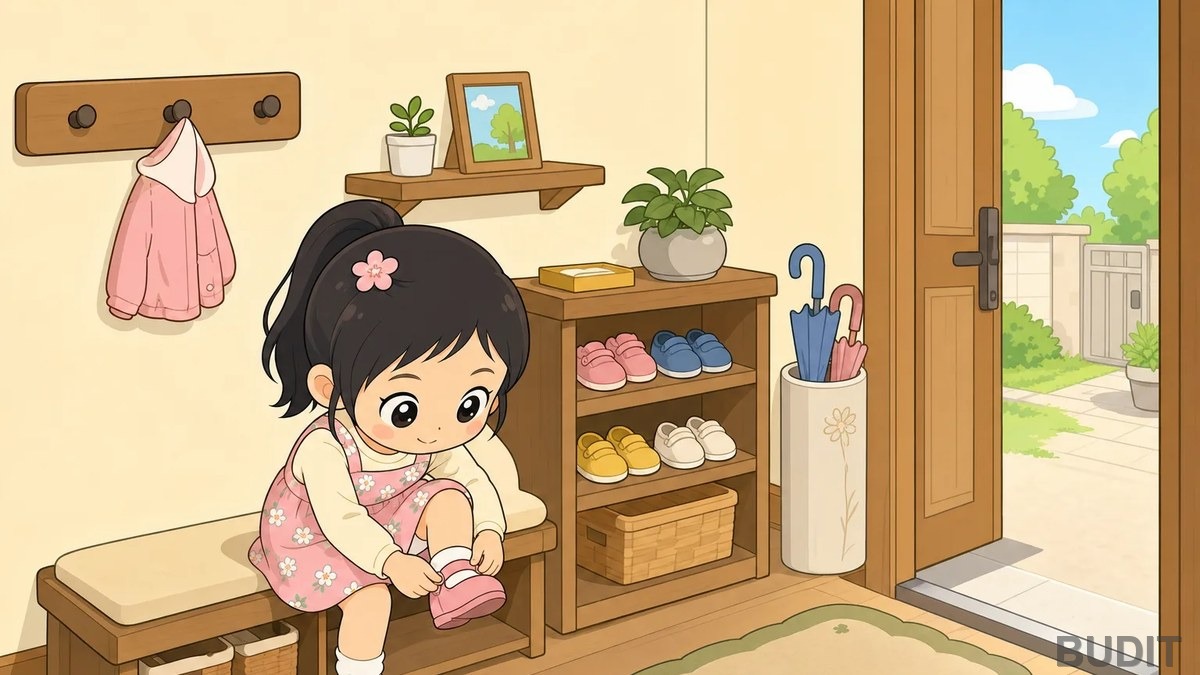
A child who shakes their head at English is common. The silent period in front of a new language, an experiment where pressure lowered interest, and studies where small choices and personalization raised motivation, put together into a way out. The core: let the child choose, leave nothing to get wrong, and keep it short.
Tap the Picture, Collect the Word Cards 『Reading a NoryBook Picture Book』
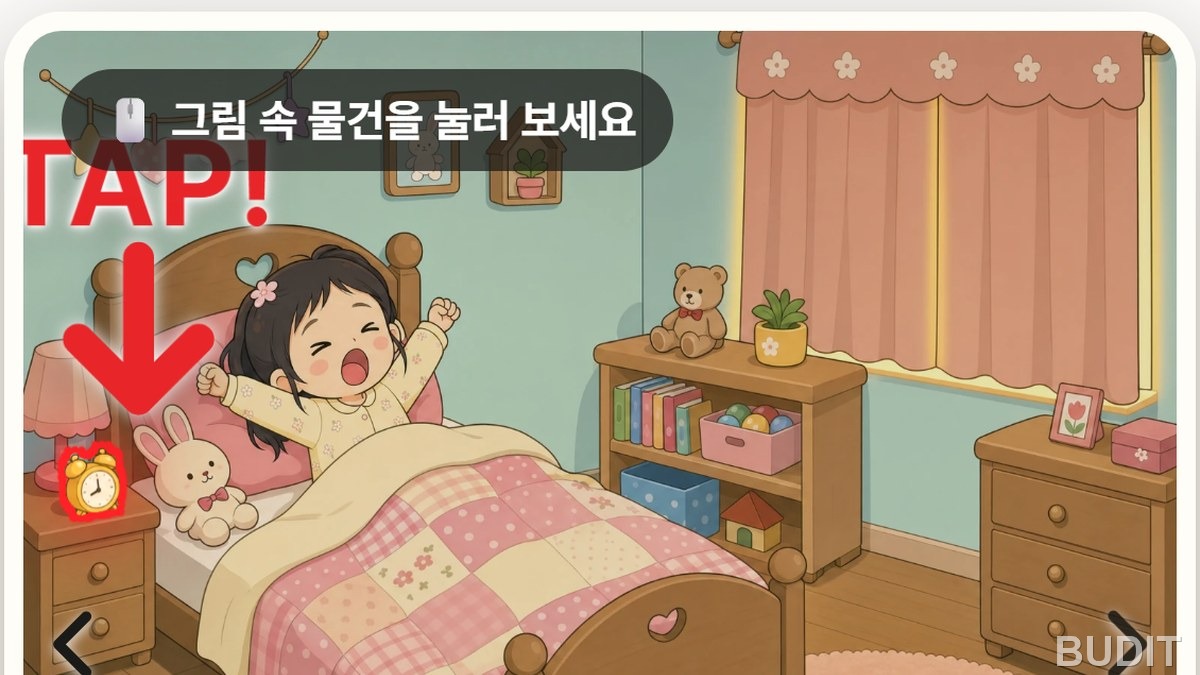
While reading a NoryBook picture book, tap the bed, the blanket or the lamp in the picture and a word card appears with a photo, the English word, its meaning and the pronunciation. How to pick a reading voice, tap objects, and carry on to word cards and games after the last page, with screenshots.